Testing Private Well Water in Will County: How to Sample and Read the Results
Lockport Local Shop
Based at 711 S State St in Will County
Code-Compliant Plumbing
Work adheres to Illinois Plumbing Code Title 77
Complete Plumbing Care
Water heaters, sewer laterals, sump pumps & softeners
Direct Phone Dispatch
Call (207) 419-2600 for scheduling & urgent calls
Essential Key Takeaways
- Total coliform bacteria and nitrates represent the two mandatory annual testing parameters for all private Illinois wells.
- Nitrate concentrations exceeding 10 mg/L pose severe health hazards for infants and indicate agricultural fertilizer or septic leaching.
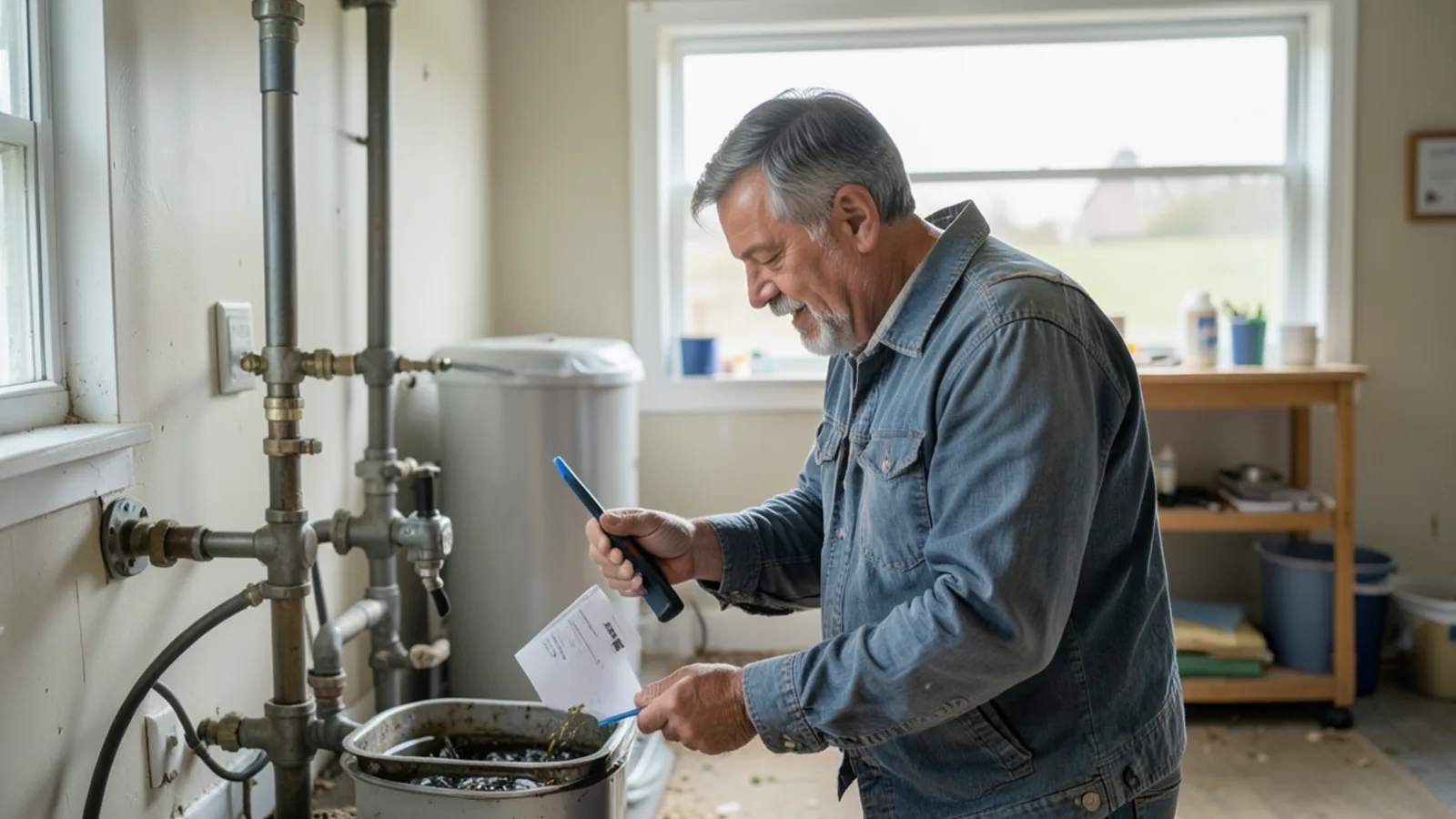
- Samples for bacterial testing must be collected directly from a non-aerated indoor tap sterilized with alcohol or flame.
- Deep aquifer wells should be tested periodically for dissolved radionuclides (Radium-226 and 228) and arsenic.
- The Will County Health Department provides certified laboratory testing kits for private well owners.
Why Private Wells Require Annual Professional Laboratory Testing
Unlike municipal water systems that undergo continuous daily testing under EPA oversight, private residential wells are the sole responsibility of the property owner. Throughout will county, homer glen, lockport, and surrounding Will County, property owners face unique environmental and mechanical realities. Understanding local conditions is essential for maintaining dependable, code-compliant plumbing performance.
Municipal codes enforced under the Illinois Plumbing Code (77 Ill. Adm. Code 890) require systematic adherence to engineering standards. When dealing with testing private well water in will county & reading results, early identification of operational stress prevents emergency service disruptions and costly structural damage to finished living areas.
Local municipal authorities and the Illinois Department of Public Health maintain strict oversight over residential systems. When addressing testing private well water in will county & reading results, standard builder shortcuts must be avoided in favor of commercial-grade components engineered for northern Illinois soil chemistry and climate swings.
The Big Three Contaminants: Coliform Bacteria, Nitrates, and Heavy Metals
Field diagnostics reveal that issues surrounding testing private well water in will county & reading results frequently manifest gradually. Many homeowners ignore early warning indicators—such as subtle pressure swings, slow drainage cycles, or minor mineralization—until sudden mechanical failure creates an urgent emergency.
Technical inspections demonstrate that regular preventative maintenance and proper equipment sizing remain the most reliable defenses. Consulting licensed Illinois plumbing contractors ensures systems comply with local Will County health regulations and manufacturer warranty standards.
Professional diagnostic testing by a licensed plumbing contractor reveals hidden vulnerabilities before they trigger structural contamination. Property owners should document all inspection findings and maintain detailed service records for municipal compliance and homeowner insurance verification.
Step-by-Step Sterile Sampling Protocol for Private Homeowners
Engineering evaluations confirm that choosing the correct mechanical strategy depends directly on the specific configuration of the residence. Factors including pipe material, age of the structure, municipal sewer connection depth, and seasonal groundwater fluctuations dictate the optimal technical approach.
Investing in professional diagnostic equipment—such as fiber-optic sewer inspection cameras, calibrated pressure gauges, and digital multimeter testing—eliminates guesswork and provides homeowners with clear, documented evidence before repairs begin.
Evaluating system performance under real-world peak household demand ensures proper flow rates and pressure regulation. High-efficiency hardware must be calibrated specifically for regional water hardness and local sewer main elevations to guarantee long-term operational integrity.
How to Decipher a Certified Water Analysis Laboratory Report
Operational longevity of residential plumbing infrastructure depends on strict adherence to preventative maintenance intervals. Neglecting routine checkups allows minor mineral accumulation or component fatigue to escalate into widespread system breaches.
Documenting maintenance histories and preserving manufacturer warranty paperwork ensures long-term home value and protects against insurance claim disputes following severe storm or freeze events.
Proactive component replacement based on established service life cycles prevents unexpected system lockouts during severe weather events. Regular sanitization, pressure verification, and mechanical seal checks should be scheduled ahead of seasonal temperature shifts.
Corrective Action: Well Shocking Versus Long-Term Filtration Systems
Homeowners across will county and homer glen and lockport must weigh short-term repair economics against comprehensive modern upgrades. When equipment approaches the end of its projected service life, upgrading to modern high-efficiency hardware consistently delivers superior reliability and energy savings.
For dedicated assistance with testing private well water in will county & reading results or to schedule an on-site mechanical evaluation with a licensed technician, contact our local dispatch team at (207) 419-2600.
When planning system updates, selecting licensed Illinois tradespeople ensures every installation meets current code mandates (77 Ill. Adm. Code 890). For professional support or same-day diagnostic service throughout Will and southwest Cook counties, call our local technicians directly.
Field Schematics & Diagnostic Diagrams
Photographic and schematic documentation illustrating the technical standards, diagnostic procedures, and equipment configurations discussed in this guide.
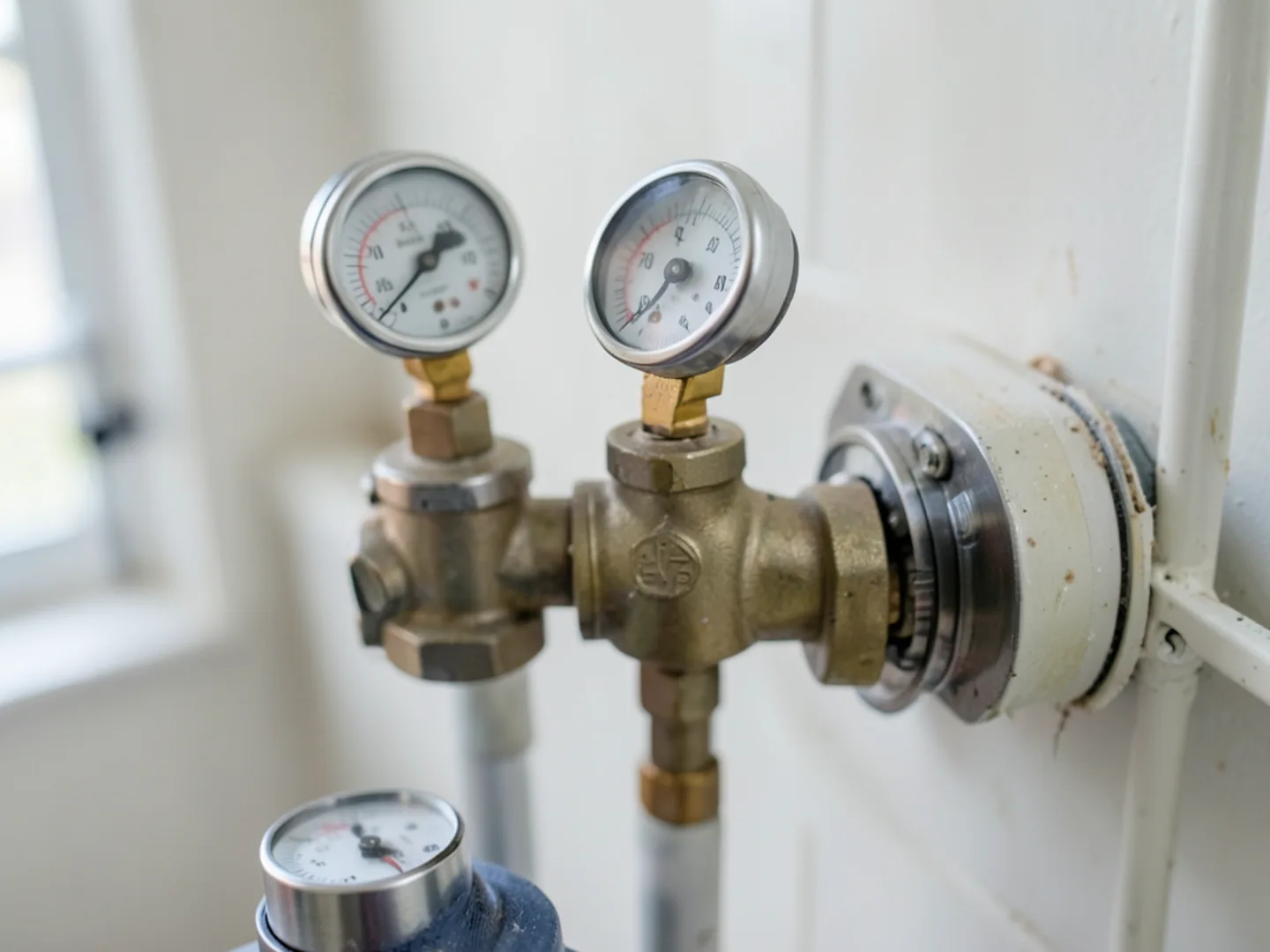
Technical plumbing diagram and explanation for Testing Private Well Water in Will County & Reading Results.
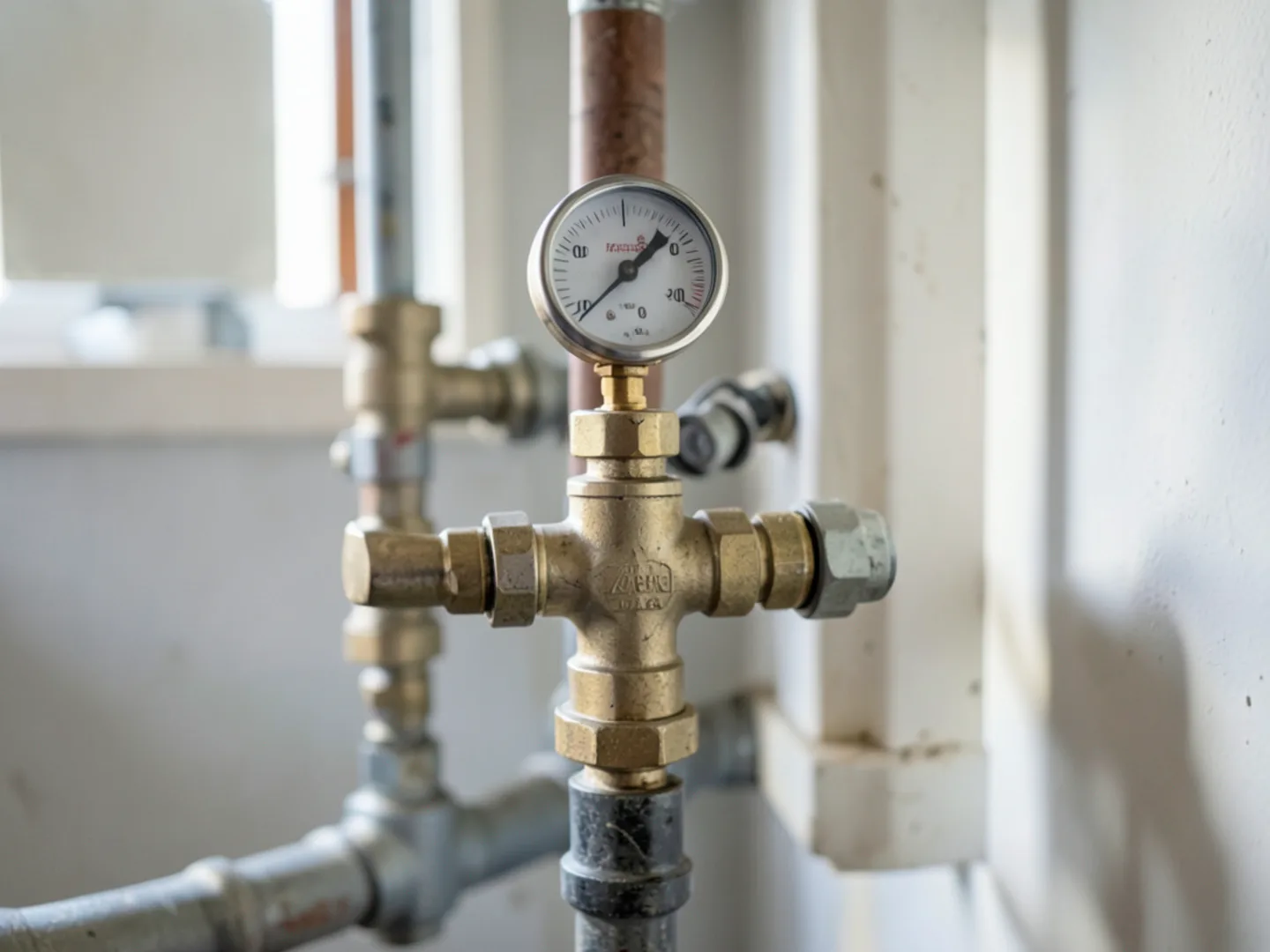
Technical plumbing diagram and explanation for Testing Private Well Water in Will County & Reading Results.
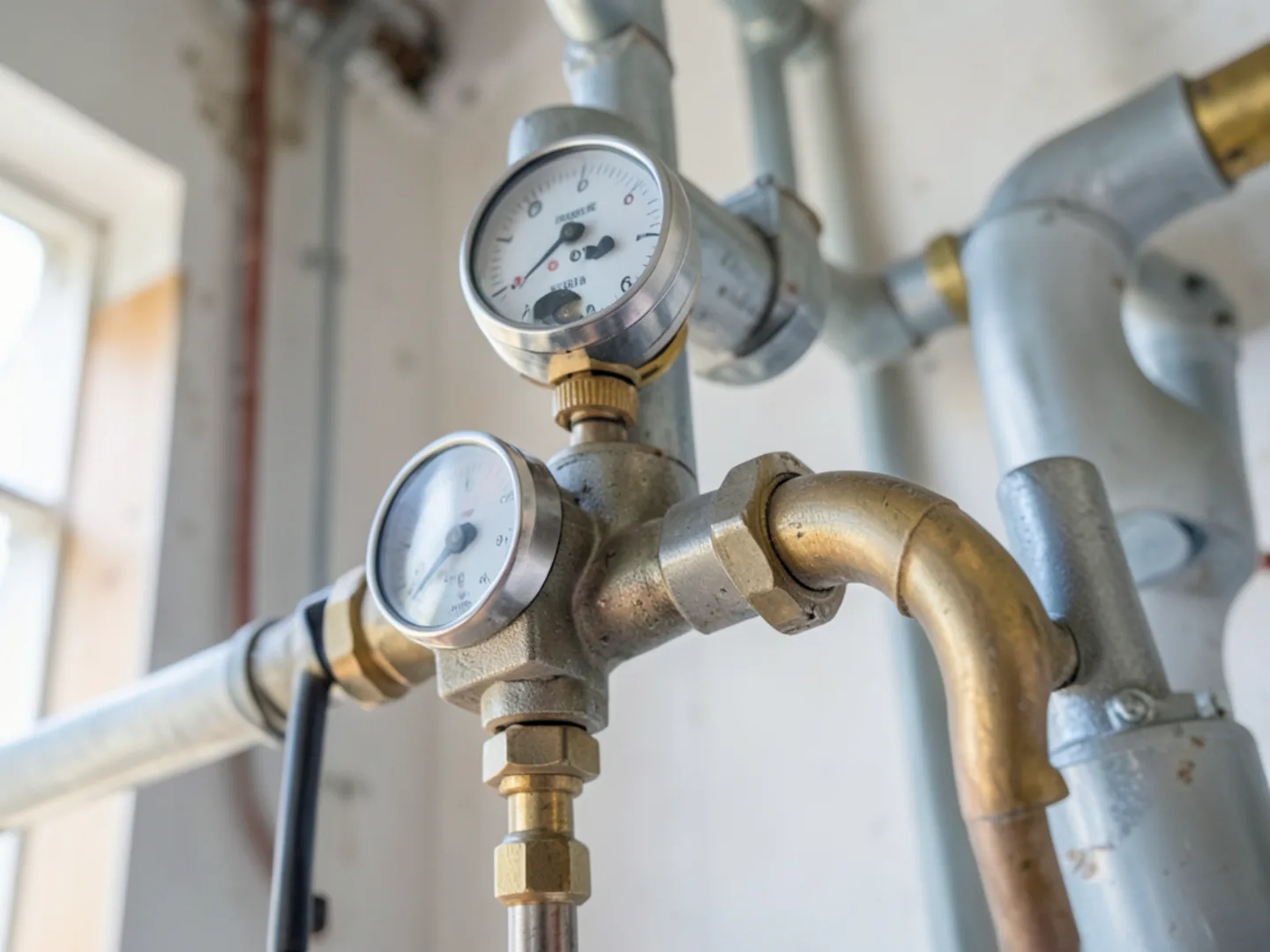
Technical plumbing diagram and explanation for Testing Private Well Water in Will County & Reading Results.
Key Drinking Water Testing Parameters for Private Wells
| Parameter | EPA / IDPH Maximum Limit | Potential Health Effect | Recommended Retest Frequency |
|---|---|---|---|
| Total Coliform Bacteria | Zero colonies / 100 mL (Absent) | Gastrointestinal illness, pathogen indicator | Annually (Every Spring) |
| Nitrate-Nitrogen | 10.0 mg/L (ppm) | Methemoglobinemia ("blue baby syndrome") | Annually in rural/agricultural areas |
| Lead & Copper | 15 ppb (Lead) / 1.3 ppm (Copper) | Neurological damage, kidney impairment | Every 3 - 5 Years |
| Combined Radium (226/228) | 5.0 pCi/L | Increased lifetime bone cancer risk | Every 5 Years (Deep sandstone wells) |
| Total Dissolved Solids (TDS) | 500 mg/L (Secondary standard) | Mineral scaling, taste impairment | Every 2 - 3 Years |
Expert Questions & Practical Answers
Direct guidance addressing common homeowner questions regarding testing private well water in will county & reading results.
The Will County Health Department recommends testing private well water annually for total coliform bacteria and nitrates, and every 3 to 5 years for heavy metals (lead, arsenic) and radiological contaminants (radium).
Verified Illinois & Regulatory Sources Cited
- •Illinois Department of Public Health (IDPH) Drinking Water Testing Program Guidelines
- •Will County Health Department Environmental Health Division Testing Services
- •US EPA National Primary Drinking Water Regulations