
Slow Drains on a Septic System: Plumbing Problem or Septic Failure?
Lockport Local Shop
Based at 711 S State St in Will County
Code-Compliant Plumbing
Work adheres to Illinois Plumbing Code Title 77
Complete Plumbing Care
Water heaters, sewer laterals, sump pumps & softeners
Direct Phone Dispatch
Call (207) 419-2600 for scheduling & urgent calls

Essential Key Takeaways
- If only one sink or shower drains slowly, the obstruction is strictly an isolated fixture trap or branch pipe clog.
- If every drain and toilet on the ground level glugs, bubbles, and backs up simultaneously, the issue lies in the main line or septic tank.
- Checking the outdoor main sewer cleanout between the house and septic tank quickly reveals whether sewage is holding water.
- A septic tank flooded above its outlet baffle indicates drain field biomat failure or collapsed tile pipes.
- Gurgling toilets when washing machines drain indicate sewer stack venting clogs or main line air entrapment.
Single Fixture Versus Whole-House Sluggish Drainage: The Isolation Test
When sinks, bathtubs, and toilets drain sluggishly in homes with private septic systems, homeowners face an urgent diagnostic puzzle: is the blockage isolated to a localized plumbing pipe, or is the septic tank and absorption field backing up? Knowing how to test your system avoids unnecessary yard excavation while pinpointing the exact failure. Throughout homer glen, lockport, new lenox, and surrounding Will County, property owners face unique environmental and mechanical realities. Understanding local conditions is essential for maintaining dependable, code-compliant plumbing performance.
Municipal codes enforced under the Illinois Plumbing Code (77 Ill. Adm. Code 890) require systematic adherence to engineering standards. When dealing with slow drains on a septic system: plumbing problem or septic failure?, early identification of operational stress prevents emergency service disruptions and costly structural damage to finished living areas.
Local municipal authorities and the Illinois Department of Public Health maintain strict oversight over residential systems. When addressing slow drains on a septic system: plumbing problem or septic failure?, standard builder shortcuts must be avoided in favor of commercial-grade components engineered for northern Illinois soil chemistry and climate swings.
The Cleanout Inspection: The Definitive Boundary Between House and Septic
Field diagnostics reveal that issues surrounding slow drains on a septic system: plumbing problem or septic failure? frequently manifest gradually. Many homeowners ignore early warning indicators—such as subtle pressure swings, slow drainage cycles, or minor mineralization—until sudden mechanical failure creates an urgent emergency.
Technical inspections demonstrate that regular preventative maintenance and proper equipment sizing remain the most reliable defenses. Consulting licensed Illinois plumbing contractors ensures systems comply with local Will County health regulations and manufacturer warranty standards.
Professional diagnostic testing by a licensed plumbing contractor reveals hidden vulnerabilities before they trigger structural contamination. Property owners should document all inspection findings and maintain detailed service records for municipal compliance and homeowner insurance verification.
Diagnosing Septic Tank Baffle Failures Versus Sludge Overfill
Engineering evaluations confirm that choosing the correct mechanical strategy depends directly on the specific configuration of the residence. Factors including pipe material, age of the structure, municipal sewer connection depth, and seasonal groundwater fluctuations dictate the optimal technical approach.
Investing in professional diagnostic equipment—such as fiber-optic sewer inspection cameras, calibrated pressure gauges, and digital multimeter testing—eliminates guesswork and provides homeowners with clear, documented evidence before repairs begin.
Evaluating system performance under real-world peak household demand ensures proper flow rates and pressure regulation. High-efficiency hardware must be calibrated specifically for regional water hardness and local sewer main elevations to guarantee long-term operational integrity.
Drain Field Hydraulic Failure: Biomat Clogging and Soil Saturation Signs
Operational longevity of residential plumbing infrastructure depends on strict adherence to preventative maintenance intervals. Neglecting routine checkups allows minor mineral accumulation or component fatigue to escalate into widespread system breaches.
Documenting maintenance histories and preserving manufacturer warranty paperwork ensures long-term home value and protects against insurance claim disputes following severe storm or freeze events.
Proactive component replacement based on established service life cycles prevents unexpected system lockouts during severe weather events. Regular sanitization, pressure verification, and mechanical seal checks should be scheduled ahead of seasonal temperature shifts.
The Role of Plumbing Vent Stacks in Drainage Flow and Gurgling Pipes
Homeowners across homer glen and lockport and new lenox must weigh short-term repair economics against comprehensive modern upgrades. When equipment approaches the end of its projected service life, upgrading to modern high-efficiency hardware consistently delivers superior reliability and energy savings.
For dedicated assistance with slow drains on a septic system: plumbing problem or septic failure? or to schedule an on-site mechanical evaluation with a licensed technician, contact our local dispatch team at (207) 419-2600.
When planning system updates, selecting licensed Illinois tradespeople ensures every installation meets current code mandates (77 Ill. Adm. Code 890). For professional support or same-day diagnostic service throughout Will and southwest Cook counties, call our local technicians directly.
Field Schematics & Diagnostic Diagrams
Photographic and schematic documentation illustrating the technical standards, diagnostic procedures, and equipment configurations discussed in this guide.

Technical plumbing diagram and explanation for Slow Drains on a Septic System: Plumbing Problem or Septic Failure?.
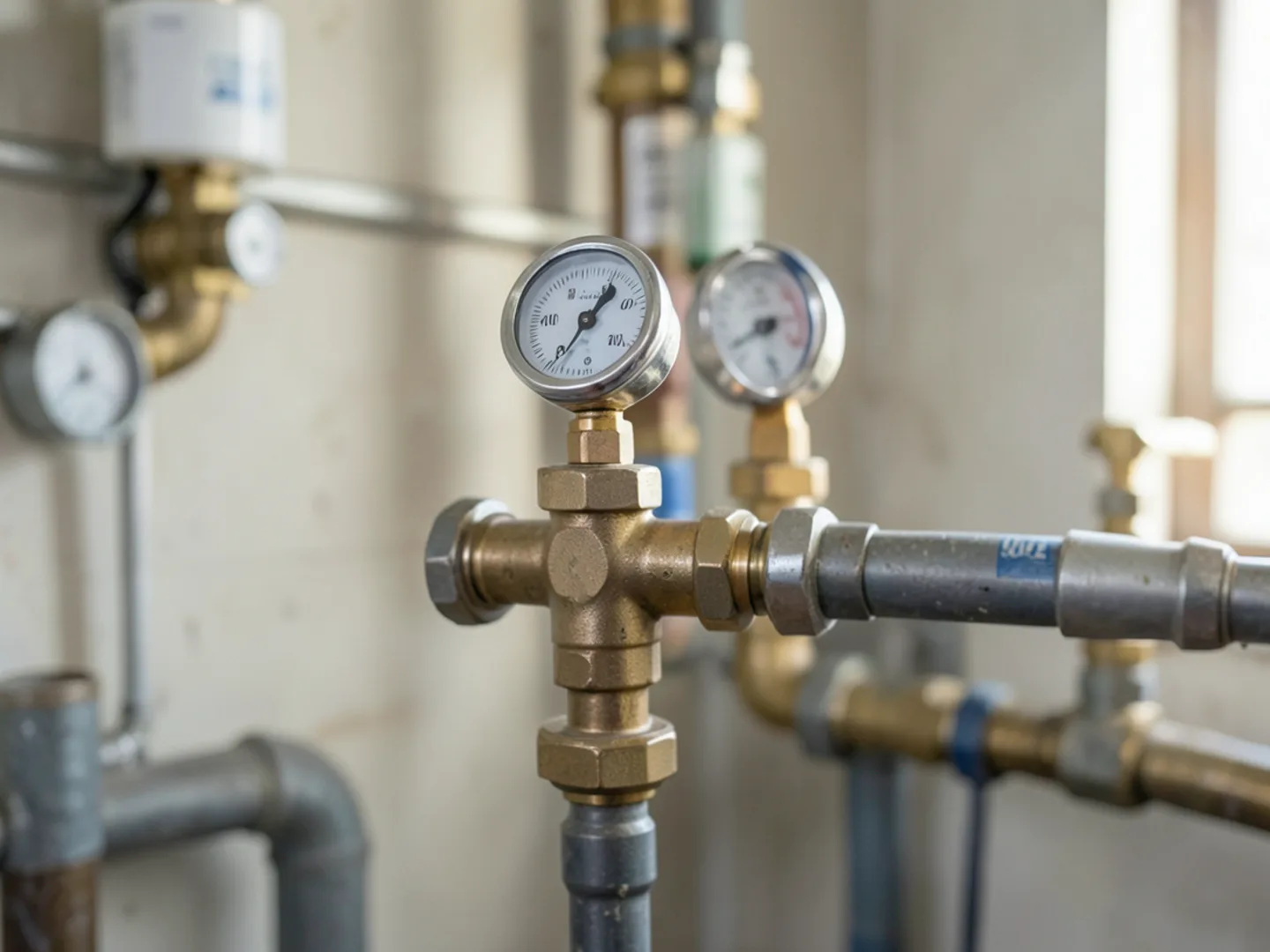
Technical plumbing diagram and explanation for Slow Drains on a Septic System: Plumbing Problem or Septic Failure?.
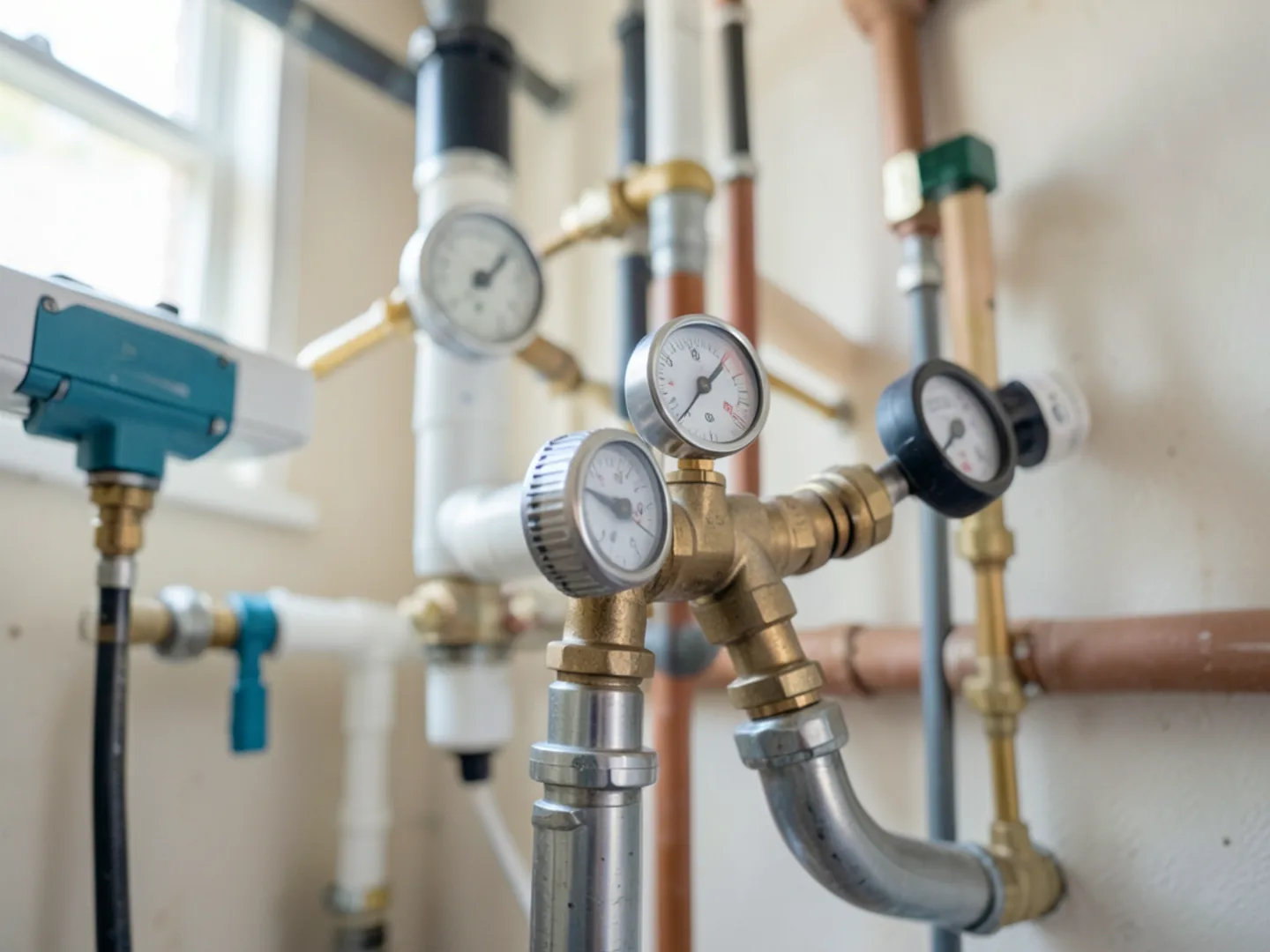
Technical plumbing diagram and explanation for Slow Drains on a Septic System: Plumbing Problem or Septic Failure?.
Plumbing Clog vs. Septic System Failure Diagnostic Checklist
| Symptom / Observation | Likely Root Cause | System Affected | Recommended Action |
|---|---|---|---|
| Bathroom sink drains slow; kitchen drains fast | Hair / soap scum in P-trap | Interior plumbing only | Mechanical drain snake or trap removal |
| All basement and 1st floor fixtures back up | Main lateral obstruction or full septic | Main line or septic tank | Inspect outside cleanout pipe |
| Outside cleanout cap removed: pipe is dry | Obstruction is inside the foundation walls | Interior building drain | Rod main building line toward cleanout |
| Outside cleanout cap removed: pipe holds sewage | Obstruction is between cleanout and tank or in tank | Septic inlet or tank | Inspect septic inlet baffle and pump tank |
| Sewage pooling on lawn over absorption field | Biomat saturation or crushed leach lines | Septic drain field failure | Licensed septic engineering evaluation |
Expert Questions & Practical Answers
Direct guidance addressing common homeowner questions regarding slow drains on a septic system: plumbing problem or septic failure?.
If only one sink or shower is slow, the clog is in that fixture’s branch drain. If every fixture and toilet in the home is backing up or gurgling simultaneously, the main lateral is blocked or the septic tank is full.
Verified Illinois & Regulatory Sources Cited
- •Illinois Department of Public Health Private Sewage Disposal Code (77 Ill. Adm. Code 905)
- •US EPA SepticSmart Homeowner Guide to On-Site Wastewater Systems
- •National Onsite Wastewater Recycling Association (NOWRA) Troubleshooting Guide