
Kitchen Drain Care for Restaurants in Lockport and Joliet
Lockport Local Shop
Based at 711 S State St in Will County
Code-Compliant Plumbing
Work adheres to Illinois Plumbing Code Title 77
Complete Plumbing Care
Water heaters, sewer laterals, sump pumps & softeners
Direct Phone Dispatch
Call (207) 419-2600 for scheduling & urgent calls

Essential Key Takeaways
- Fats, Oils, and Grease (FOG) congeal along commercial drainage pipe walls, restricting line diameter and causing sudden overflows.
- Municipal sewer codes mandate that commercial grease interceptors be pumped before grease depth reaches 25% of the liquid volume.
- Standard mechanical drain snaking only punches small holes in commercial grease clogs; high-pressure hydro jetting is required to scour pipe walls clean.
- Chemical drain cleaners and caustic lye products are strictly prohibited in commercial kitchens due to pipe corrosion and toxicity.
- Floor sink basket strainers and scrap sinks prevent food solids from entering the grease trap and overloading anaerobic digestion.
The FOG Challenge in Commercial Food Service Establishments
Commercial food service kitchens in Lockport, Joliet, and across Will County operate under stringent municipal sanitary codes governing Fats, Oils, and Grease (FOG) discharges. Throughout joliet, lockport, crest hill, and surrounding Will County, property owners face unique environmental and mechanical realities. Understanding local conditions is essential for maintaining dependable, code-compliant plumbing performance.
Municipal codes enforced under the Illinois Plumbing Code (77 Ill. Adm. Code 890) require systematic adherence to engineering standards. When dealing with kitchen drain care for restaurants in lockport & joliet, early identification of operational stress prevents emergency service disruptions and costly structural damage to finished living areas.
Local municipal authorities and the Illinois Department of Public Health maintain strict oversight over residential systems. When addressing kitchen drain care for restaurants in lockport & joliet, standard builder shortcuts must be avoided in favor of commercial-grade components engineered for northern Illinois soil chemistry and climate swings.
Grease Traps and Interceptors: Sizing, Operation, and the 25% Rule
Field diagnostics reveal that issues surrounding kitchen drain care for restaurants in lockport & joliet frequently manifest gradually. Many homeowners ignore early warning indicators—such as subtle pressure swings, slow drainage cycles, or minor mineralization—until sudden mechanical failure creates an urgent emergency.
Technical inspections demonstrate that regular preventative maintenance and proper equipment sizing remain the most reliable defenses. Consulting licensed Illinois plumbing contractors ensures systems comply with local Will County health regulations and manufacturer warranty standards.
Professional diagnostic testing by a licensed plumbing contractor reveals hidden vulnerabilities before they trigger structural contamination. Property owners should document all inspection findings and maintain detailed service records for municipal compliance and homeowner insurance verification.
Why Hydro Jetting at 4,000 PSI Is Essential for Kitchen Drain Lines
Engineering evaluations confirm that choosing the correct mechanical strategy depends directly on the specific configuration of the residence. Factors including pipe material, age of the structure, municipal sewer connection depth, and seasonal groundwater fluctuations dictate the optimal technical approach.
Investing in professional diagnostic equipment—such as fiber-optic sewer inspection cameras, calibrated pressure gauges, and digital multimeter testing—eliminates guesswork and provides homeowners with clear, documented evidence before repairs begin.
Evaluating system performance under real-world peak household demand ensures proper flow rates and pressure regulation. High-efficiency hardware must be calibrated specifically for regional water hardness and local sewer main elevations to guarantee long-term operational integrity.
Daily Kitchen Closing Protocols: Strainers, Scraping, and Enzyme Maintenance
Operational longevity of residential plumbing infrastructure depends on strict adherence to preventative maintenance intervals. Neglecting routine checkups allows minor mineral accumulation or component fatigue to escalate into widespread system breaches.
Documenting maintenance histories and preserving manufacturer warranty paperwork ensures long-term home value and protects against insurance claim disputes following severe storm or freeze events.
Proactive component replacement based on established service life cycles prevents unexpected system lockouts during severe weather events. Regular sanitization, pressure verification, and mechanical seal checks should be scheduled ahead of seasonal temperature shifts.
Municipal Inspections, FOG Logbooks, and Avoiding Sanitary Citations
Homeowners across joliet and lockport and crest hill must weigh short-term repair economics against comprehensive modern upgrades. When equipment approaches the end of its projected service life, upgrading to modern high-efficiency hardware consistently delivers superior reliability and energy savings.
For dedicated assistance with kitchen drain care for restaurants in lockport & joliet or to schedule an on-site mechanical evaluation with a licensed technician, contact our local dispatch team at (207) 419-2600.
When planning system updates, selecting licensed Illinois tradespeople ensures every installation meets current code mandates (77 Ill. Adm. Code 890). For professional support or same-day diagnostic service throughout Will and southwest Cook counties, call our local technicians directly.
Field Schematics & Diagnostic Diagrams
Photographic and schematic documentation illustrating the technical standards, diagnostic procedures, and equipment configurations discussed in this guide.
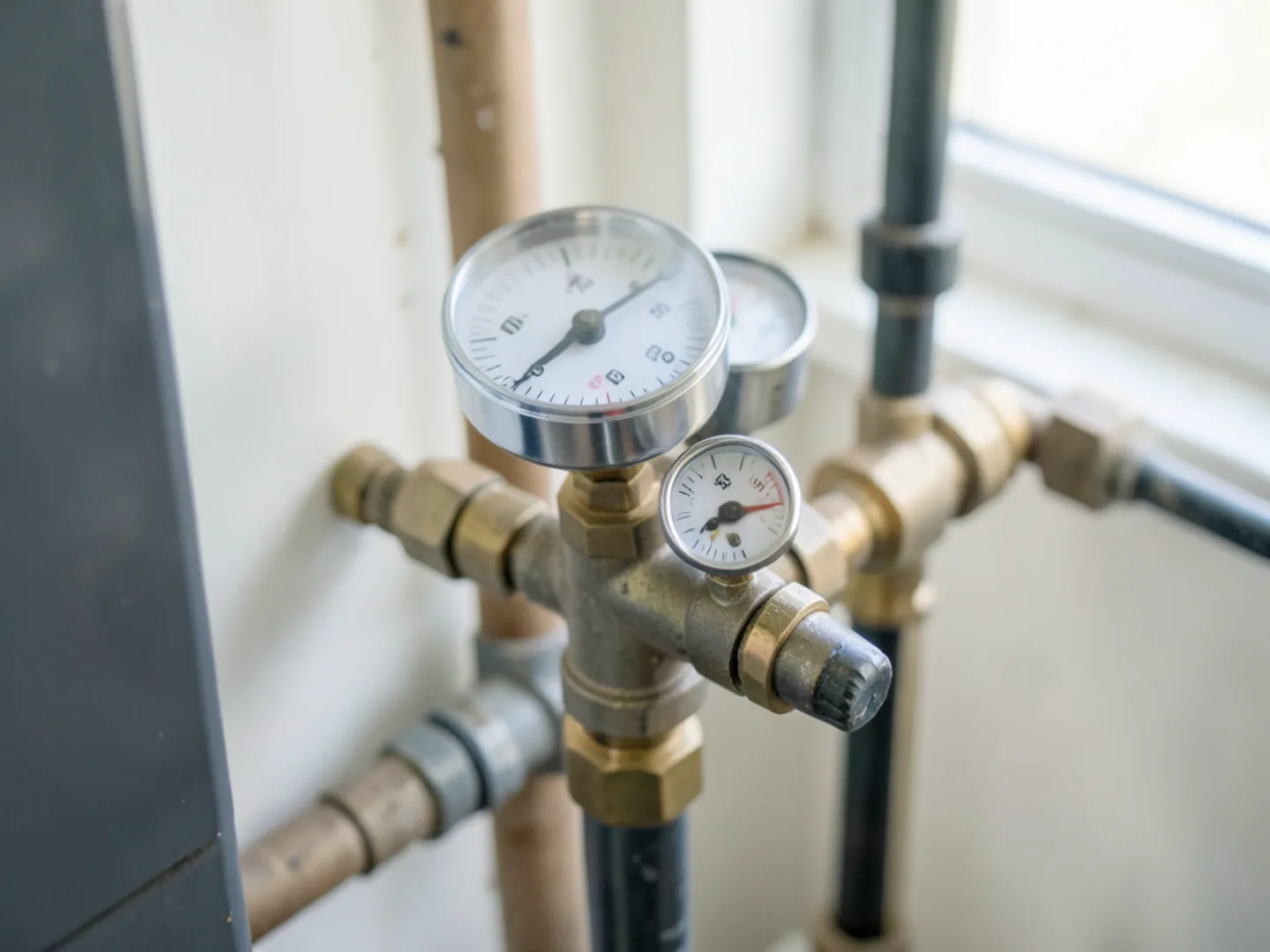
Technical plumbing diagram and explanation for Kitchen Drain Care for Restaurants in Lockport & Joliet.
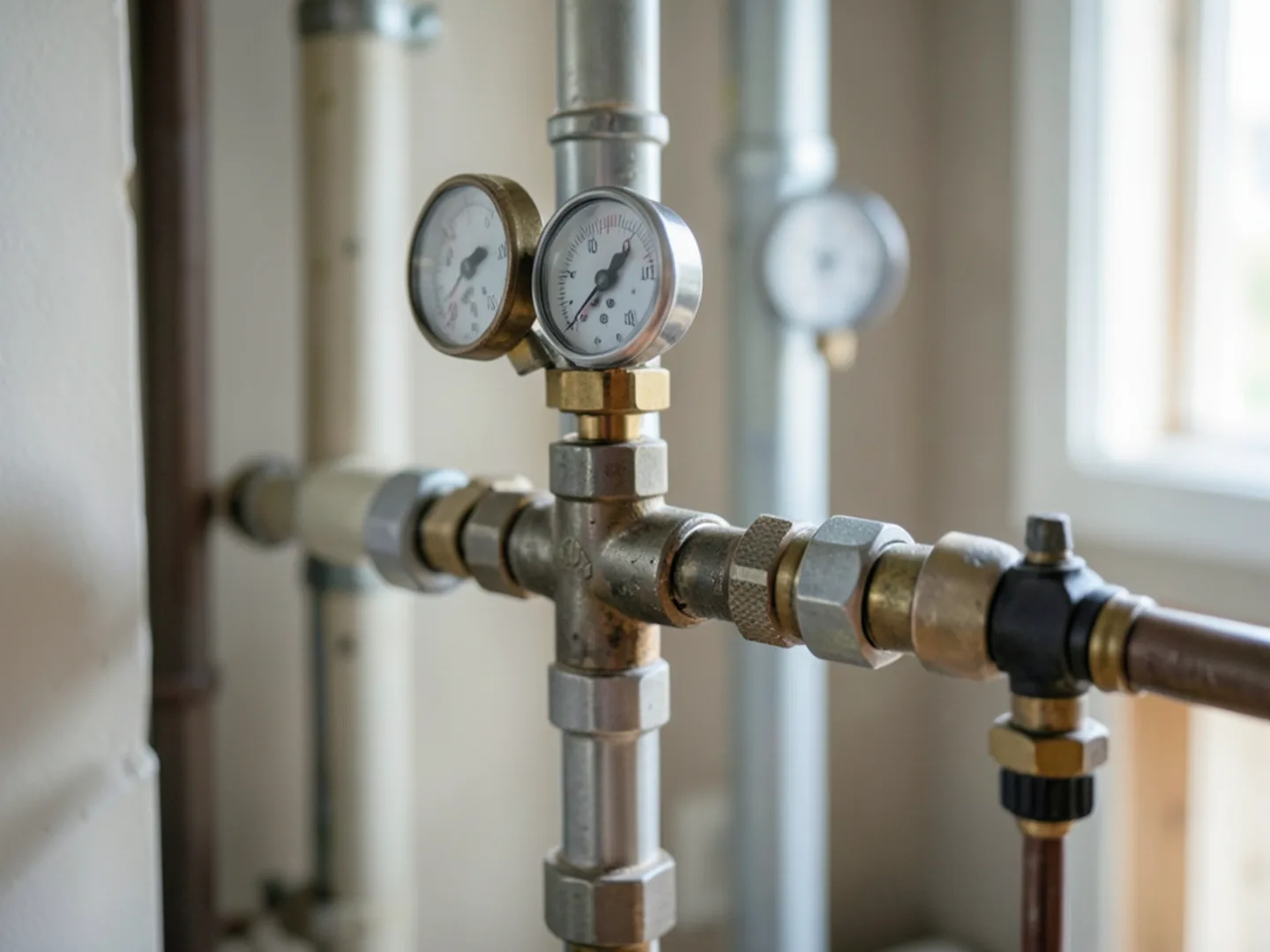
Technical plumbing diagram and explanation for Kitchen Drain Care for Restaurants in Lockport & Joliet.
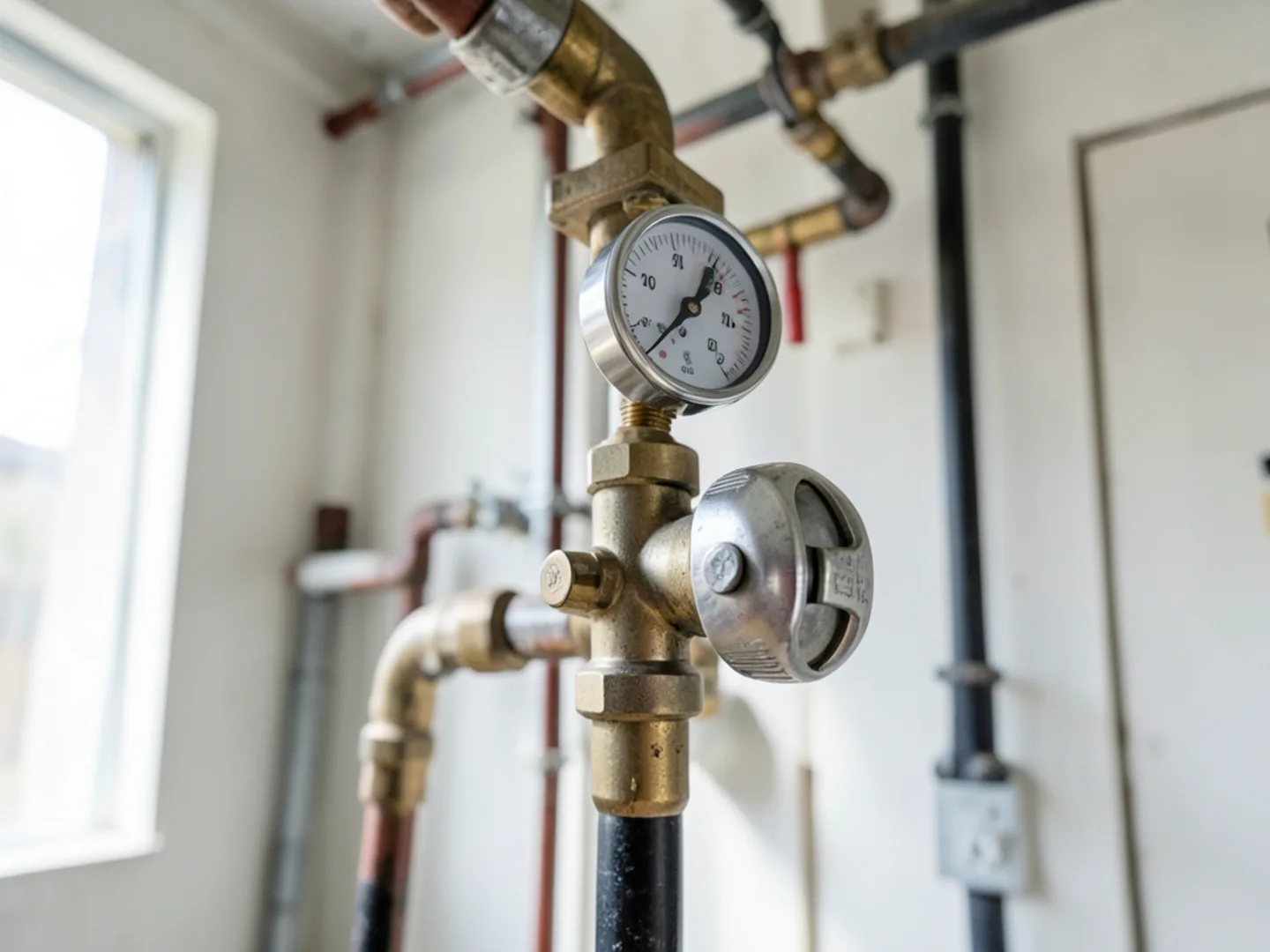
Technical plumbing diagram and explanation for Kitchen Drain Care for Restaurants in Lockport & Joliet.
Restaurant Kitchen Drain Maintenance Cadence
| Equipment / Fixture | Recommended Frequency | Key Maintenance Action | Operational Goal |
|---|---|---|---|
| Floor Sink Baskets & Sink Strainers | Daily (After each shift) | Empty food solids into garbage cans | Prevents food particles from reaching grease trap |
| Under-Sink Grease Trap (Hydromechanical) | Bi-Weekly to Monthly | Pump grease and skim floating oil | Maintains compliance with the 25% FOG rule |
| Main Kitchen Sewer Line | Quarterly or Semi-Annually | 4,000 PSI hot-water hydro jetting | Scours congealed fat completely off pipe walls |
| Mop Basin / Utility Floor Drain | Weekly Flush | Clear mop fibers and flush with warm water | Prevents lint and floor grease from backing up |
| Grease Interceptor Inspection Log | Every Service Visit | Maintain signed manifest from licensed hauler | Provides required proof during municipal health audits |
Expert Questions & Practical Answers
Direct guidance addressing common homeowner questions regarding kitchen drain care for restaurants in lockport & joliet.
Cable snakes only poke a small circular hole through soft grease. High-pressure 4,000 PSI hydro jetting uses high-velocity water to emulsify and scour 100% of grease and food sludge off pipe walls.
Verified Illinois & Regulatory Sources Cited
- •City of Joliet Fats, Oils, and Grease (FOG) Control Program Manual
- •Illinois Department of Public Health (IDPH) Food Service Sanitation Code (77 Ill. Adm. Code 750)
- •Plumbing and Drainage Institute (PDI) Standard PDI-G101 for Grease Interceptors