
Radium in Illinois Well Water: What It Is, How to Test & How Treatment Works
Lockport Local Shop
Based at 711 S State St in Will County
Code-Compliant Plumbing
Work adheres to Illinois Plumbing Code Title 77
Complete Plumbing Care
Water heaters, sewer laterals, sump pumps & softeners
Direct Phone Dispatch
Call (207) 419-2600 for scheduling & urgent calls
Essential Key Takeaways
- Radium-226 and Radium-228 originate from the natural radioactive decay of uranium and thorium in deep sandstone formations.
- The US EPA Maximum Contaminant Level (MCL) for combined radium is 5.0 picocuries per liter (pCi/L).
- Radium is completely odorless, tasteless, and colorless, requiring certified radiological laboratory testing for detection.
- Whole-house cation-exchange water softeners remove radium through identical electrostatic ion-exchange mechanisms used for calcium.
- Point-of-use reverse osmosis systems provide secondary filtration down to 90% or greater at drinking water taps.
Geological Origins of Radium in Northern Illinois Aquifers
Throughout northeastern Illinois, including Will, Cook, DuPage, and Kendall counties, deep wells drilled into the St. Peter and Ironton-Galesville sandstone formations tap water that has spent centuries migrating through mineral-rich rock. These sandstone formations naturally contain trace quantities of uranium-238 and thorium-232. As these primordial elements slowly decay, they produce radium-226 (an alpha emitter with a 1,600-year half-life) and radium-228 (a beta emitter with a 5.75-year half-life).
Because radium isotopes dissolve readily in groundwater under anoxic, reducing conditions typical of deep rock formations, well water extracted from depths of 800 to 1,500 feet frequently exhibits combined radium concentrations that exceed public health benchmarks. This is not the result of industrial contamination or hazardous waste dumping; it is an inherent hydrogeological characteristic of regional bedrock geology.
Health Standards and the 5.0 pCi/L Maximum Contaminant Level
Under the National Primary Drinking Water Regulations administered by the United States Environmental Protection Agency (EPA) and enforced locally by the Illinois EPA, the Maximum Contaminant Level (MCL) for combined Radium-226 and Radium-228 is established at 5.0 picocuries per liter (pCi/L). A picocurie represents the decay of approximately 2.22 radioactive atoms per minute.
Long-term chronic ingestion of water containing elevated radium levels increases the lifetime risk of bone cancer, osteosarcoma, and cranial sarcomas. Because radium mimics calcium chemically, the human body metabolizes ingested radium and incorporates it directly into skeletal bone matrix. For private well owners who are not connected to regulated municipal water plants, routine laboratory analysis is the sole method to determine household exposure levels.
How Cation-Exchange Water Softeners Remove Radium
Fortunately for private residential well owners, radium behaves as a divalent cation in aqueous solution, carrying a positive charge identical to calcium (Ca2+) and magnesium (Mg2+). Standard residential water softeners containing synthetic cation-exchange resin beads charged with sodium or potassium ions capture radium ions with exceptionally high affinity.
In fact, because radium has a larger ionic radius and higher molecular weight than calcium, ion-exchange resin binds radium even more tightly than hardness minerals. Independent testing by the Water Quality Association confirms that a properly operating cation-exchange softener certified under NSF/ANSI Standard 44 will remove between 85% and 95% of dissolved radium from influent well water. During the brining cycle, high-concentration sodium chloride brine displaces the trapped radium ions, flushing them safely into the drainage discharge.
Point-of-Use Reverse Osmosis as Secondary Protection
For homeowners seeking complete drinking water peace of mind, point-of-use (POU) reverse osmosis (RO) systems installed under the kitchen sink offer robust secondary barrier protection. RO membranes feature microscopic pore sizes measuring approximately 0.0001 microns, allowing water molecules to pass while rejecting more than 90% to 98% of dissolved radionuclides, heavy metals, and mineral salts.
When combined with an upstream whole-house water softener that prevents premature membrane scaling, an under-sink RO system delivers water with virtually undetectable radium levels for drinking and cooking purposes. Carbon block and standard pitcher filters, by contrast, lack the electrostatic or physical rejection capabilities required to remove dissolved radioactive ions and should never be relied upon for radionuclide safety.
Laboratory Testing Protocols for Private Well Owners
Private wells in Illinois are not monitored by municipal water utilities or state environmental agencies after initial construction. The Illinois Department of Public Health (IDPH) recommends that homeowners on private wells test their water supply every three to five years for radiological parameters, particularly when deep sandstone aquifers are involved.
Testing requires collecting a sample in specialized laboratory-provided acid-preserved bottles following specific tap purging protocols. Homeowners should utilize laboratories certified by the State of Illinois for drinking water radionuclide analysis (EPA Method 900.0 for gross alpha/beta screening or EPA Method 903.1/904.0 for specific isotopic radium determinations).
Field Schematics & Diagnostic Diagrams
Photographic and schematic documentation illustrating the technical standards, diagnostic procedures, and equipment configurations discussed in this guide.
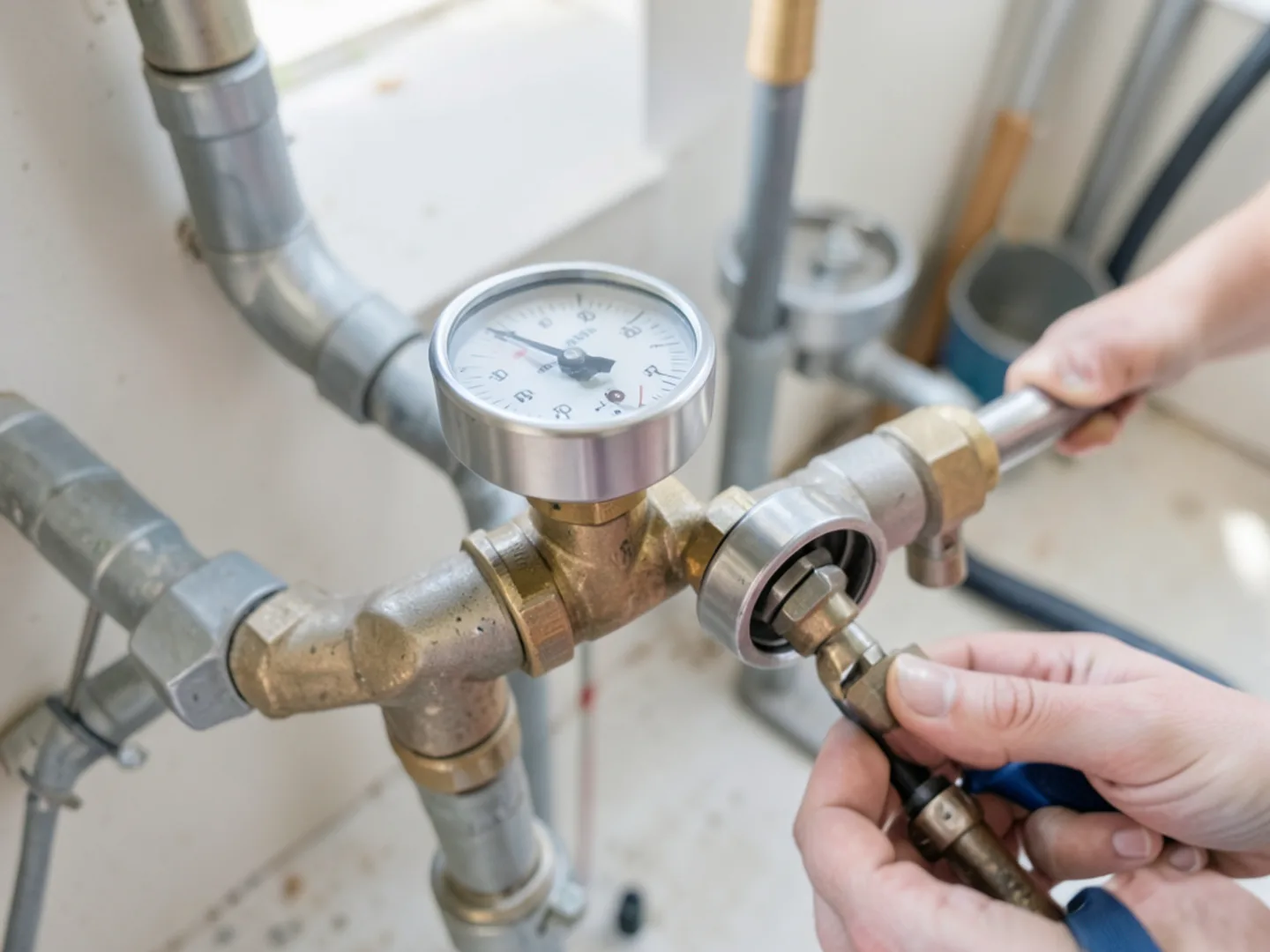
Technical plumbing diagram and explanation for Radium in Illinois Well Water: Testing & Treatment Options.
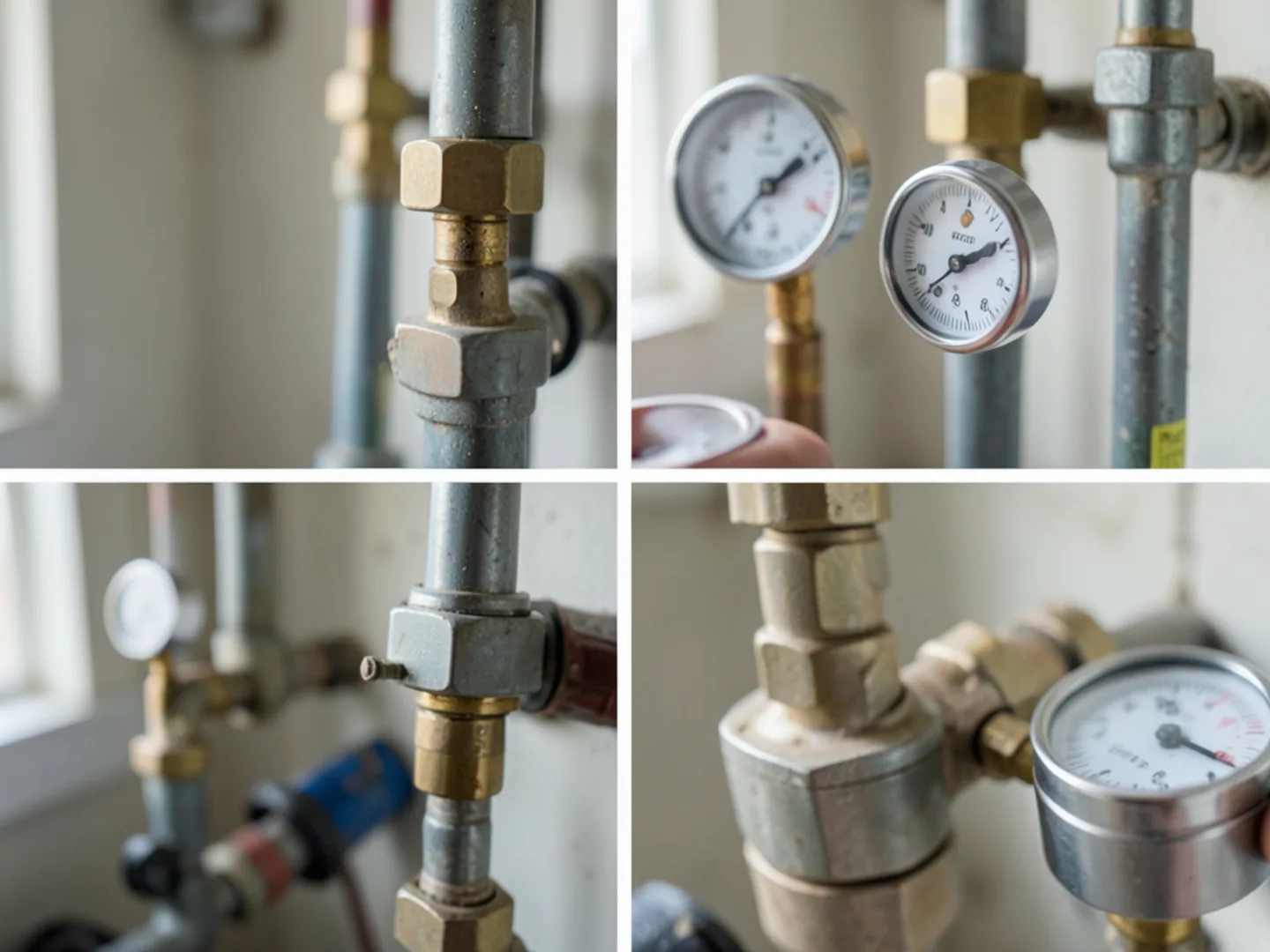
Technical plumbing diagram and explanation for Radium in Illinois Well Water: Testing & Treatment Options.
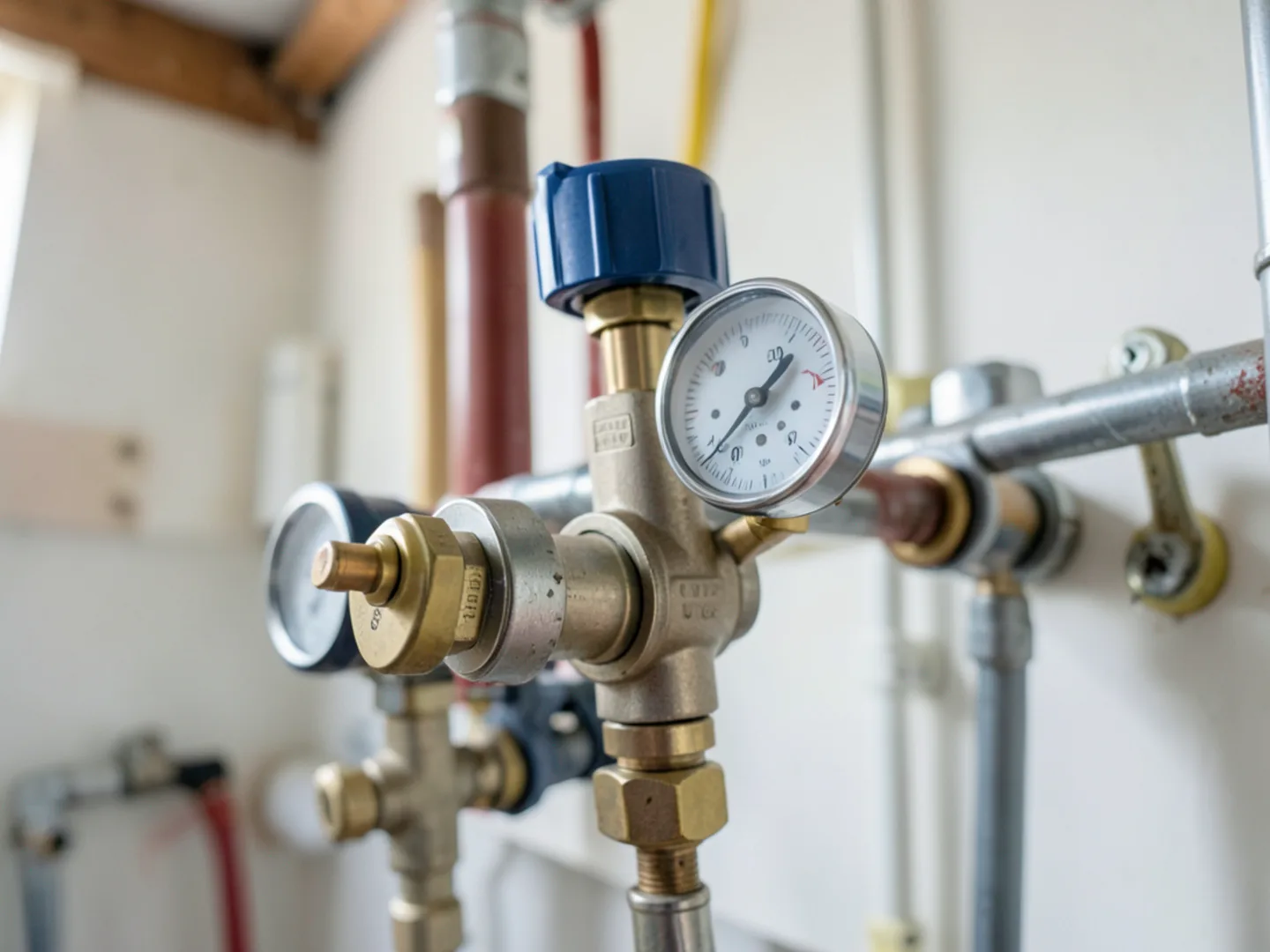
Technical plumbing diagram and explanation for Radium in Illinois Well Water: Testing & Treatment Options.
Water Treatment Technologies for Radium Reduction
| Treatment Technology | Average Radium Removal Rate | Secondary Filtration Benefits | Maintenance Protocol |
|---|---|---|---|
| Ion-Exchange Softener (Cation) | 85% - 95% | Removes calcium, magnesium, clear-water iron | Regular salt replenishment; annual valve inspection |
| Point-of-Use Reverse Osmosis (RO) | 90% - 98% | Removes lead, nitrates, PFAS, microplastics | Annual pre/post filter replacements; membrane test |
| Hydrous Manganese Oxide (HMO) | 90% - 99% | Removes iron, manganese, heavy metals | Utility-grade automated backwash and chemical feed |
| Activated Carbon Pitcher Filter | 0% - 5% | Reduces chlorine taste and odor only | Cannot capture dissolved ionic radionuclides |
Expert Questions & Practical Answers
Direct guidance addressing common homeowner questions regarding radium in illinois well water: testing & treatment options.
Radium-226 and Radium-228 occur naturally in deep Cambrian-Ordovician sandstone bedrock formations common to northeastern Illinois. Deep sandstone wells (often 800+ feet deep) frequently exhibit elevated naturally occurring radium levels.
Verified Illinois & Regulatory Sources Cited
- •Illinois Department of Public Health (IDPH) Environmental Health Fact Sheet on Radium
- •US EPA National Primary Drinking Water Regulations for Radionuclides (40 CFR Part 141)
- •Water Quality Association (WQA) Technical Bulletin on Radium Removal via Ion Exchange
- •Illinois State Geological Survey (ISGS) Circular 568: Radium in Illinois Groundwater