
Plumbing in Lockport’s Historic Canal-Era Homes: Hidden Hazards & Modern Upgrades
Lockport Local Shop
Based at 711 S State St in Will County
Code-Compliant Plumbing
Work adheres to Illinois Plumbing Code Title 77
Complete Plumbing Care
Water heaters, sewer laterals, sump pumps & softeners
Direct Phone Dispatch
Call (207) 419-2600 for scheduling & urgent calls

Essential Key Takeaways
- Canal-era limestone rubble foundations require non-destructive core drilling to prevent structural mortar crumbling.
- Galvanized steel pipes installed between 1890 and 1950 suffer severe internal tuberculation, reducing water volume to a trickle.
- Lead service entry lines must be identified and replaced under the Illinois Lead Service Line Replacement and Notification Act.
- Unvented S-traps and lead drum traps under vintage clawfoot tubs violate current sanitary code by siphoning sewer gas seals.
- Modern whole-home repiping with Type L copper or cross-linked polyethylene (PEX-A) restores full pressure and safe drinking water.
Limestone Foundations and Canal-Era Structural Considerations
Lockport earned its designation as the "City of Historic Pride" due to its central role as the headquarters of the Illinois & Michigan Canal, completed in 1848. Residential architecture constructed between 1850 and the early 1900s throughout downtown Lockport, along State Street, Division Street, and Hamilton Street, features distinctive dry-stack or lime-mortar limestone foundations quarried directly from local dolomite formations.
Plumbing modernizations in these properties demand immense care. Hammer drills and pneumatic breakers can crack historic mortar beds, causing wall instability. Plumbers must utilize water-cooled diamond core drilling rigs when penetrating foundation walls for new sewer exits, sump discharge lines, or replacement water service lines, sealing penetrations with flexible hydraulic boots rather than rigid cement.
Internal Tuberculation in Vintage Galvanized Steel Piping
Homes built before 1960 in Lockport frequently contain original threaded galvanized steel water distribution piping. While zinc coatings initially protected the steel core, decades of exposure to hard municipal and well water trigger internal chemical oxidation known as tuberculation.
Rust nodules grow inward from the pipe walls, gradually reducing a half-inch pipe lumen down to the diameter of a pencil lead. Homeowners notice a dramatic loss of water pressure whenever multiple fixtures run simultaneously—such as a kitchen faucet dropping to a trickle when someone flushes a second-floor toilet. Furthermore, galvanized pipes often release discolored reddish-brown water containing dissolved iron and trace cadmium, staining porcelain fixtures and laundry.
Lead Service Lines and the Illinois Replacement Mandate
Prior to national lead bans, municipal water main tap connections commonly utilized ductile lead service lines. In Lockport’s older neighborhoods, lead service pipes still convey municipal drinking water from the street water main to residential basement water meters. When water rests stagnant in these lines overnight, microscopic lead particles leach into the drinking supply.
Under the Illinois Lead Service Line Replacement and Notification Act (Public Act 102-0613), utilities and property owners are required to systematically inventory and replace all lead service lines. When replacing water lines in historic Lockport homes, modern trenchless horizontal directional boring allows contractors to pull new one-inch seamless copper or high-density polyethylene (HDPE) lines from the curb to the basement with minimal disruption to historic landscaping, brick walkways, and mature trees.
Sanitary Drainage: Cast Iron Stacks, Drum Traps, and Clay Sewers
Drainage systems in canal-era homes present distinct challenges. Heavy bell-and-spigot cast iron soil stacks assembled with molten lead and oakum joints frequently develop vertical hairline cracks after 75 to 100 years of thermal movement. Underneath vintage tubs and sinks, plumbers frequently encounter obsolete lead drum traps and unvented S-traps.
S-traps create natural hydraulic siphons that suck the protective water seal out of the trap every time the fixture drains, allowing noxious methane and sewer gases to vent directly into living spaces. Modern renovations require cutting back deteriorated cast iron and installing properly vented PVC or cast iron systems complying with the Illinois Plumbing Code (77 Ill. Adm. Code 890), ensuring every fixture trap maintains an intact liquid seal.
Preserving Historic Aesthetics During Mechanical Upgrades
Renovating a historic Lockport residence does not require destroying original lath-and-plaster walls, carved wood baseboards, or tin ceilings. Skilled historic plumbing specialists plan pipe routing through existing closet spaces, unused chimney chases, and utility shafts to minimize invasive wall openings.
Flexible PEX-a piping systems can be fed through floor joist cavities with surgical precision, allowing complete domestic water repiping while leaving historic crown moldings and decorative plaster ceiling medallions undisturbed. Vintage clawfoot bathtubs and farmhouse porcelain sinks can be retained and restored by retrofitting custom-engineered modern thermostatic mixing valves and code-compliant waste-and-overflow assemblies.
Field Schematics & Diagnostic Diagrams
Photographic and schematic documentation illustrating the technical standards, diagnostic procedures, and equipment configurations discussed in this guide.

Technical plumbing diagram and explanation for Plumbing in Lockport’s Historic Canal-Era Homes.
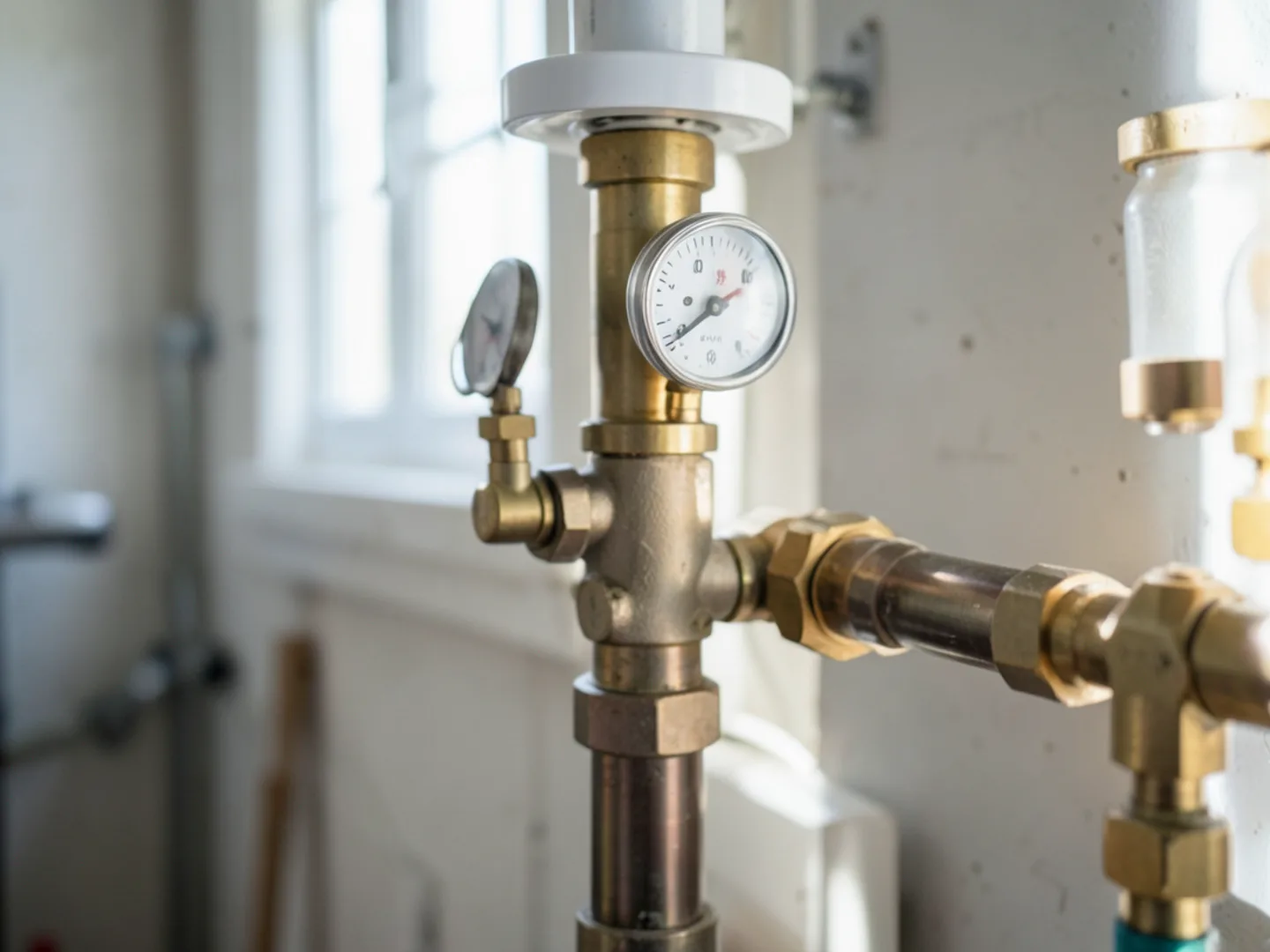
Technical plumbing diagram and explanation for Plumbing in Lockport’s Historic Canal-Era Homes.
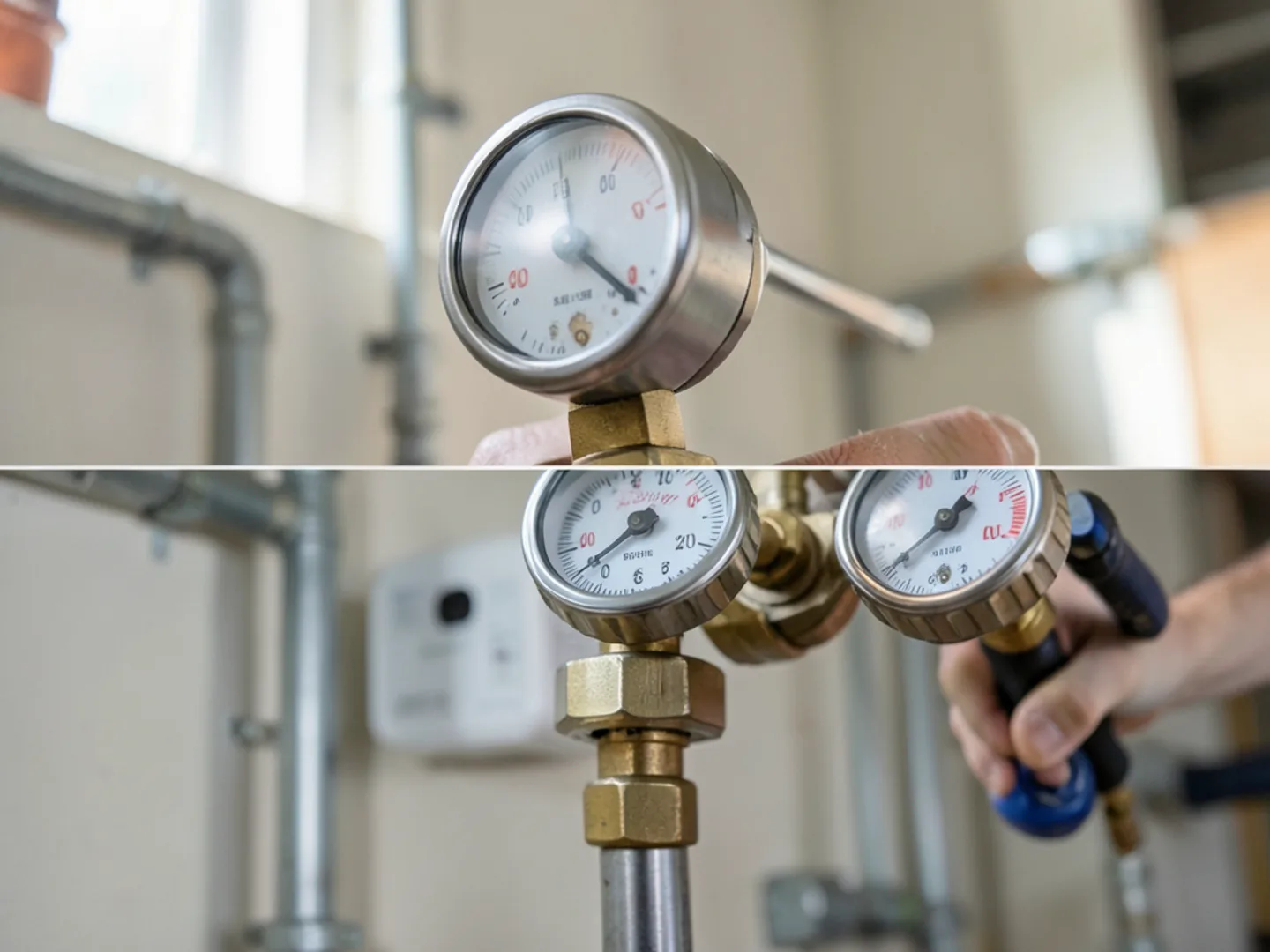
Technical plumbing diagram and explanation for Plumbing in Lockport’s Historic Canal-Era Homes.
Historical Piping Materials & Modern Code Replacement Options
| Vintage Material | Common Era of Installation | Primary Failure Mechanism | Modern Code Replacement | Expected Lifespan |
|---|---|---|---|---|
| Lead Water Service | 1880 - 1930s | Lead neurotoxin leaching into drinking water | Type K Seamless Copper or HDPE | 75 - 100+ Years |
| Galvanized Steel Supply | 1890 - 1960 | Internal tuberculation rust choking flow | Type L Copper or PEX-A Expansion Pipe | 50 - 75 Years |
| Lead Drum Traps & S-Traps | 1890 - 1940s | Trap siphonage allowing sewer gas leaks | Vented Schedule 40 PVC or Cast Iron | 50 - 100 Years |
| Vitrified Clay Sewer Lateral | 1900 - 1970 | Offset joints, bell cracks, tree root intrusion | SDR 26 Heavy PVC or Cured-in-Place Epoxy | 50 - 100 Years |
Expert Questions & Practical Answers
Direct guidance addressing common homeowner questions regarding plumbing in lockport’s historic canal-era homes.
Historic homes near downtown Lockport frequently contain vintage lead water supply stubs, unvented threaded galvanized branch lines, cast iron soil stacks, and lead drum traps under bathtubs.
Verified Illinois & Regulatory Sources Cited
- •Illinois Lead Service Line Replacement and Notification Act (415 ILCS 5/Public Act 102-0613)
- •National Park Service (NPS) Preservation Briefs: The Preservation of Historic Concrete and Masonry
- •City of Lockport Historic Preservation Commission Guidelines for Heritage Properties
- •Illinois Plumbing Code (77 Ill. Adm. Code 890) Drainage and Venting Regulations