
Hard Well Water in Will County: What It Does to Water Heaters & Fixtures
Lockport Local Shop
Based at 711 S State St in Will County
Code-Compliant Plumbing
Work adheres to Illinois Plumbing Code Title 77
Complete Plumbing Care
Water heaters, sewer laterals, sump pumps & softeners
Direct Phone Dispatch
Call (207) 419-2600 for scheduling & urgent calls
Essential Key Takeaways
- Will County groundwater sourced from deep limestone and sandstone aquifers averages 20 to 28 grains per gallon (GPG) of mineral hardness.
- Untreated mineral scale creates an insulating rock layer at the bottom of tank water heaters, reducing thermal transfer efficiency by up to 30%.
- Electric water heater elements burn out prematurely when mineral crust prevents heat from dissipating directly into the surrounding water.
- Tankless water heater heat exchangers require annual descaling with virgin food-grade citric or white vinegar to maintain manufacturer warranty coverage.
- Ion-exchange water softeners sized properly for household peak flow rates represent the only permanent barrier against scale accumulation.
Groundwater Geology and Hardness in Will County, Illinois
Will County sits atop glacial drift deposits underlain by Silurian dolomite bedrock and the deep Cambrian-Ordovician sandstone aquifer system. As rain and snowmelt percolate through dense limestone and dolomite deposits over decades, water dissolves massive quantities of calcium carbonate and magnesium carbonate. By the time private wells in Homer Glen, Lockport, Plainfield, or Manhattan pump this groundwater to the surface, total dissolved solids (TDS) and hardness levels frequently register between 340 and 480 parts per million (ppm), or 20 to 28 grains per gallon (GPG).
According to the Water Quality Association (WQA) classification standards, any water measuring above 10.5 GPG is classified as "extremely hard." At 20 to 28 GPG, Will County homeowners are operating plumbing fixtures on water that is roughly double the extreme threshold. The absence of a properly maintained water softener allows dissolved minerals to precipitate out of solution whenever water is heated, depressurized, or left to evaporate on surfaces.
The Thermal Precipitation Process Inside Water Heaters
Water heaters serve as the primary precipitation chamber in any residential plumbing network. When hard water reaches temperatures above 120 degrees Fahrenheit, dissolved calcium bicarbonate undergoes a thermal chemical reaction, decomposing into solid calcium carbonate (limestone scale), carbon dioxide, and water. In standard atmospheric gas water heaters, this solid mineral particulate settles directly onto the concave steel bottom above the burner assembly.
Over several seasons, the sediment hardens into a dense calcified layer measuring several inches thick. Because limestone is an effective thermal insulator, heat from the natural gas burner cannot pass cleanly through the tank bottom into the water volume. Instead, the steel tank floor overheats, causing the tank lining to crack while creating characteristic popping, rumbling, and kettle-drumming noises during heating cycles. In electric water heaters, scale encrusts the upper and lower immersion elements, trapping heat inside the sheath until the internal resistance wire melts.
Fixture Degradation, Aerators, and Valve Seizing
Mineral damage extends well beyond the utility room. Ceramic disc cartridges inside modern single-handle bathroom and kitchen faucets rely on microscopic tolerances between polished ceramic plates to shut off water flow. Suspended mineral grit and calcification scratch these plates, resulting in persistent drips that cannot be remedied by tightening the handle.
Faucet aerators and showerhead nozzles accumulate chalky white deposits that restrict flow velocity and distort spray patterns. Under severe conditions, mineral buildup causes quarter-turn shutoff valves under sinks and behind toilets to freeze in place, preventing homeowners from isolating water supply lines during plumbing emergencies. Thermostatic mixing valves in high-end shower systems are especially vulnerable, frequently losing temperature regulation as internal balancing spools become choked with calcium.
Scale Accumulation in Modern Tankless Heat Exchangers
Tankless water heaters utilize copper or stainless steel secondary heat exchangers with narrow waterways designed to maximize instant thermal transfer. When 25 GPG water passes through tubes measuring mere fractions of an inch in diameter, rapid scale deposition restricts flow and insulates temperature sensors. Tankless units will quickly throw error codes indicating heat exchanger overheating or flame rod malfunction.
Major manufacturers—including Navien, Rinnai, and Noritz—explicitly exclude scale-related heat exchanger failures from their standard 15-year warranties if incoming water hardness exceeds 11 GPG without upstream treatment. For tankless systems installed on Will County well supplies, an ion-exchange water softener is a non-negotiable operational prerequisite, supplemented by annual preventative descaling flushes using a submersible utility pump and food-grade vinegar.
Selecting and Sizing Water Softeners for Will County Baselines
Protecting residential plumbing infrastructure in Will County requires a high-capacity cation-exchange water softener sized according to compensated hardness. Compensated hardness factors in both mineral grains per gallon and dissolved ferrous (clear-water) iron, where every 1 part per million of iron adds 3 to 4 grains to the operational load calculation. For example, a home with 24 GPG hardness and 1.5 ppm iron requires equipment programmed for 30 GPG compensated hardness.
Standard time-clock water softeners that regenerate on a fixed weekly schedule waste salt and water while allowing hard water bleed-through during heavy usage periods. Modern meter-based, demand-initiated regeneration systems track actual water consumption through digital turbines, initiating brine draws only when ion-exchange resin beads reach saturation. High-crosslink (10%) resin beads are recommended for maximum resistance to chemical degradation and mechanical wear under regional groundwater conditions.
Field Schematics & Diagnostic Diagrams
Photographic and schematic documentation illustrating the technical standards, diagnostic procedures, and equipment configurations discussed in this guide.
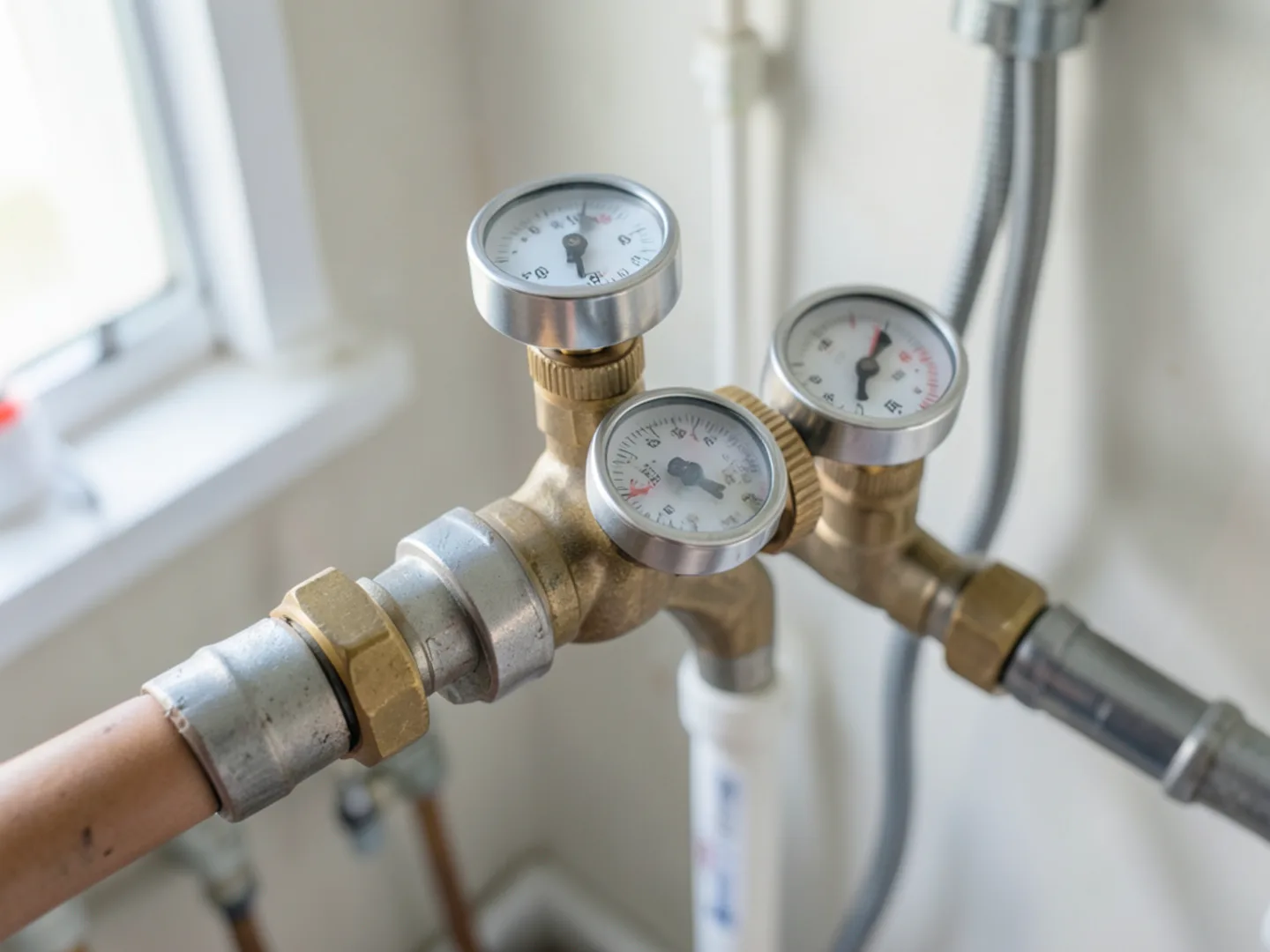
Technical plumbing diagram and explanation for Hard Well Water in Will County: Effects on Heaters & Fixtures.
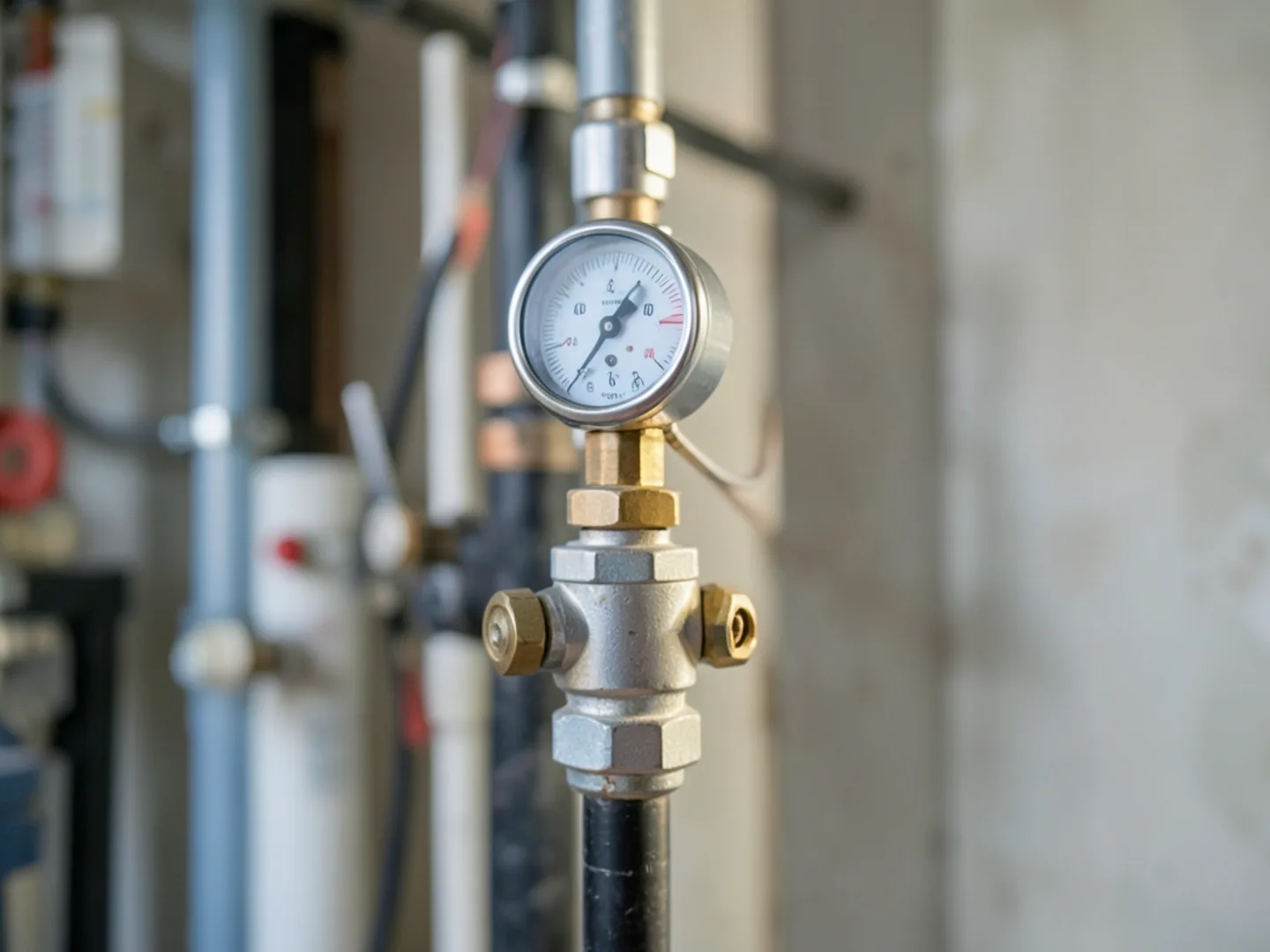
Technical plumbing diagram and explanation for Hard Well Water in Will County: Effects on Heaters & Fixtures.
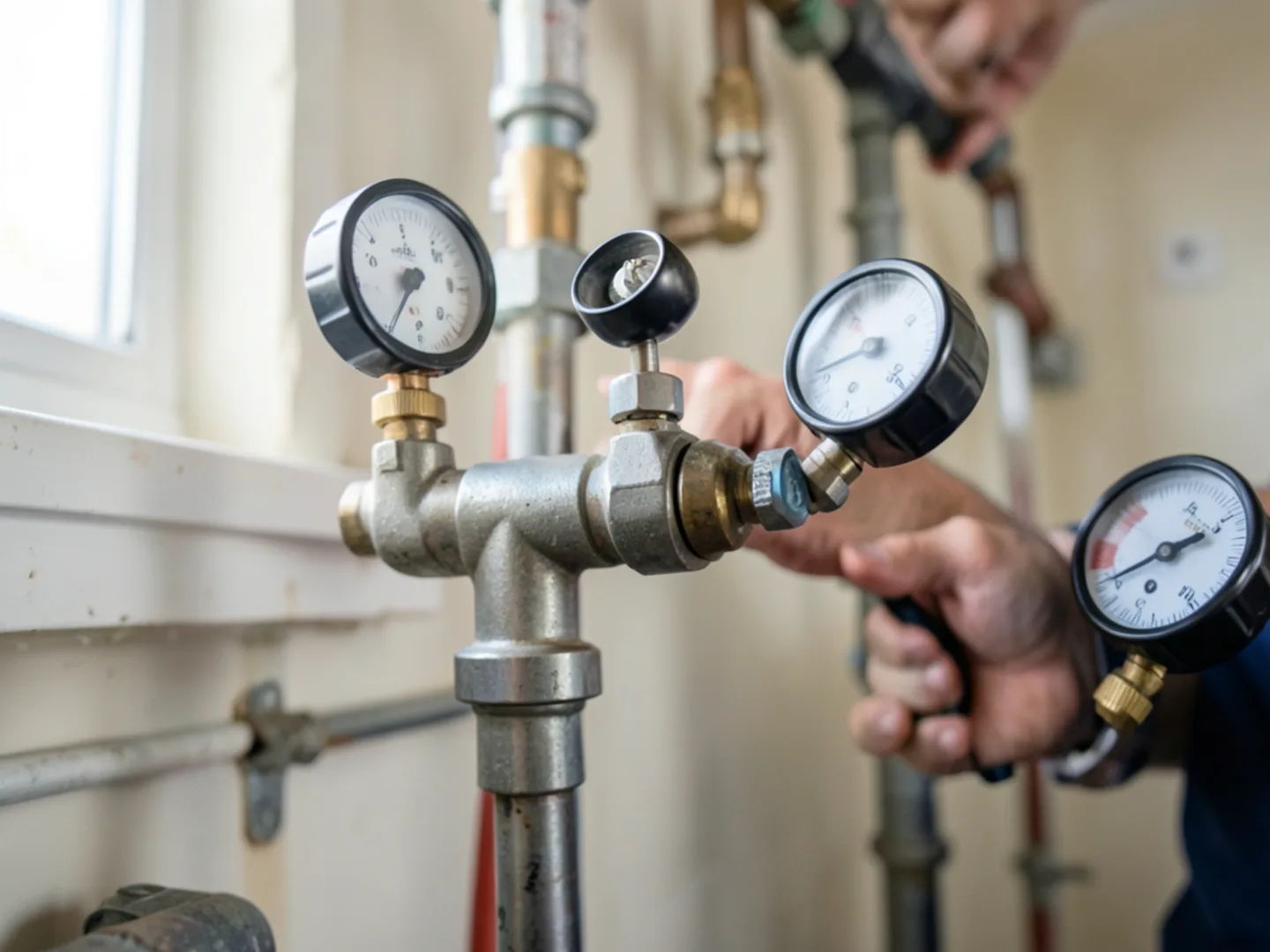
Technical plumbing diagram and explanation for Hard Well Water in Will County: Effects on Heaters & Fixtures.
Water Hardness Classification & Appliance Lifespan Impact
| Hardness Category | Grains Per Gallon (GPG) | Parts Per Million (PPM) | Regional Occurrence | Average Water Heater Lifespan |
|---|---|---|---|---|
| Soft | 0.0 - 1.0 GPG | 0 - 17.1 PPM | Rainwater / Pure Reverse Osmosis | 12 - 15 Years (Full Life) |
| Slightly Hard | 1.0 - 3.5 GPG | 17.1 - 60 PPM | Rare in Northern Illinois Ground Supplies | 11 - 13 Years |
| Moderately Hard | 3.5 - 7.0 GPG | 60 - 120 PPM | Lake Michigan Treated Municipal Supply | 10 - 12 Years |
| Hard | 7.0 - 10.5 GPG | 120 - 180 PPM | Shallow Sand & Gravel Aquifers | 8 - 10 Years |
| Very Hard | 10.5 - 15.0 GPG | 180 - 250 PPM | Upper Bedrock Formations | 6 - 8 Years |
| Extremely Hard | 15.0+ GPG | 250+ PPM | Will County Deep Wells (20 - 28 GPG) | 4 - 6 Years (Without Softener) |
Expert Questions & Practical Answers
Direct guidance addressing common homeowner questions regarding hard well water in will county: effects on heaters & fixtures.
Groundwater wells across Will County tap into deep limestone and dolomite aquifers, producing water with extreme hardness ranging between 18 and 28 grains per gallon (GPG). Water over 10.5 GPG is classified as extremely hard by the Water Quality Association.
Verified Illinois & Regulatory Sources Cited
- •Illinois Environmental Protection Agency (IEPA) Community Water Supply Compliance Records
- •Water Quality Association (WQA) Water Hardness & Appliance Efficiency Study
- •City of Lockport Annual Water Quality Consumer Confidence Report (CCR)
- •Illinois State Water Survey (ISWS) Groundwater Bulletin 60-31