
Basements Near the Des Plaines River: Flood Risk and Mechanical Protection Options
Lockport Local Shop
Based at 711 S State St in Will County
Code-Compliant Plumbing
Work adheres to Illinois Plumbing Code Title 77
Complete Plumbing Care
Water heaters, sewer laterals, sump pumps & softeners
Direct Phone Dispatch
Call (207) 419-2600 for scheduling & urgent calls
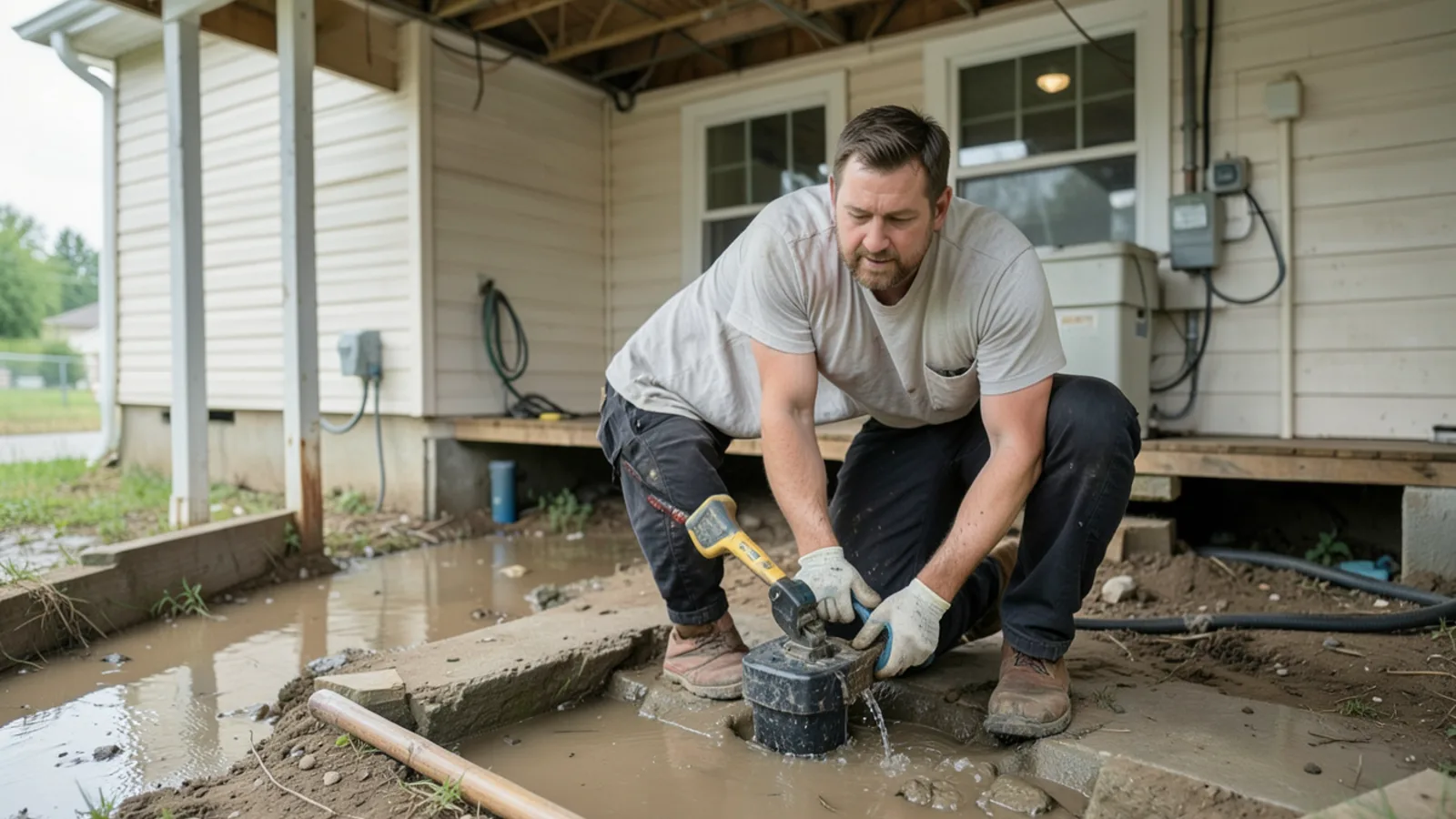
Essential Key Takeaways
- Des Plaines River valley geology creates shallow water tables that saturate soils during heavy spring runoff and regional rainstorms.
- Hydrostatic groundwater pressure exerts lateral force against foundation walls and forces water through the floor-to-wall cold joint.
- Municipal storm and combined sewer mains become inundated, forcing blackwater backward into low-lying basement floor drains.
- Dual-pump sump basins equipped with independent float switches prevent basin overflow if a single pump suffers mechanical failure.
- Overhead sewer systems lift gravity fixtures above the street flood rim, creating absolute mechanical protection against city sewer backflow.
River Basin Hydrology and Basement Hydrostatic Pressure
The Des Plaines River watershed drains hundreds of square miles across southeastern Wisconsin and northeastern Illinois before channeling south through Lemont, Romeoville, and Lockport. During severe spring thunderstorms or late-winter snowmelt, the river channel reaches capacity, saturating alluvial gravels and shallow limestone bedrock across adjacent valley neighborhoods. As groundwater levels rise, water table elevation surpasses basement slab elevations.
This dynamic generates severe hydrostatic pressure. Water seeks every available pathway through porous concrete foundation walls, structural micro-fractures, and most commonly, the floor-to-wall "cove joint"—the perimeter gap where the basement concrete floor meets the vertical foundation footing. Without an operational interior drain tile system and sump pump discharging water faster than it enters, basements flood from the ground up.
Municipal Sanitary Main Surcharging and Backwater Flooding
Basement inundation along river corridors is not limited to clean groundwater seepage. During multi-inch rain storms, older municipal sanitary sewer infrastructure experiences immense infiltration and inflow (I&I) from cracked street pipes, illegally connected foundation perimeter tiles, and overflowing street manholes. When sewer mains fill beyond capacity, sewage surcharges under head pressure.
Because gravity drains seek equilibrium, surcharging municipal mains push untreated raw sewage backward through residential sewer lateral lines. Basement plumbing fixtures—such as laundry floor drains, laundry utility tubs, and basement toilet rough-ins—sit lower than the street-level sewer rim. Unless protected by active backwater valves or overhead sewer re-plumbing, these fixtures act as relief valves for the entire neighborhood sewer system.
Primary Sump Pumping Architecture for High-Inflow Basements
In river valley zones, standard 1/3-horsepower builder-grade plastic sump pumps are dangerously inadequate. A single multi-day rain event can force water inflow rates exceeding 3,000 gallons per hour into a residential perimeter pit. Basements near the Des Plaines require cast-iron or stainless steel 1/2-HP or 3/4-HP continuous-duty submersible pumps capable of lifting at least 4,200 GPH against a 10-foot total dynamic head.
Furthermore, dual-pump configurations installed within a heavy-duty structural poly basin provide critical redundancy. In an alternating dual-pump system, both pumps share duty cycles, and if the primary pump fails or incoming volume overwhelms its capacity, a secondary high-water float switch activates the secondary pump simultaneously to double total pumping volume.
Battery Backup Power: Protecting Against Storm Outages
Severe thunderstorms and river flash floods are frequently accompanied by grid power blackouts. When electrical service drops, standard 120-volt AC sump pumps cease operation instantly. In river valley properties, a basement can flood within 20 to 45 minutes of a pump losing power during peak water table saturation.
An industrial-grade battery backup sump pump system utilizes heavy-duty deep-cycle AGM or sealed lead-acid marine batteries paired with an intelligent multi-stage inverter charger. These systems deliver continuous DC pumping capability for 24 to 72 hours of intermittent cycling. Advanced monitoring modules send real-time cellular or Wi-Fi alerts to homeowners’ smartphones if utility power fails or high water activates the backup unit.
Overhead Sewer Conversions: The Ultimate Structural Solution
While backwater flap valves provide entry-level protection against sewer surcharge, debris such as toilet paper or sanitary wipes can become lodged under the flapper, allowing sewage to seep past during a flood. The gold standard for basement flood protection—endorsed by the Illinois Department of Public Health and local building departments—is an overhead sewer conversion.
In an overhead sewer retrofit, all lower-level plumbing lines are disconnected from the gravity sewer lateral and redirected into a sealed ejector basin. The main building sewer pipe is elevated along the basement ceiling, penetrating the foundation wall well above the street sewer surcharge level. Because there are no gravity openings below grade, street sewage cannot physically enter the home even if the municipal main surcharges to ground level.
Field Schematics & Diagnostic Diagrams
Photographic and schematic documentation illustrating the technical standards, diagnostic procedures, and equipment configurations discussed in this guide.
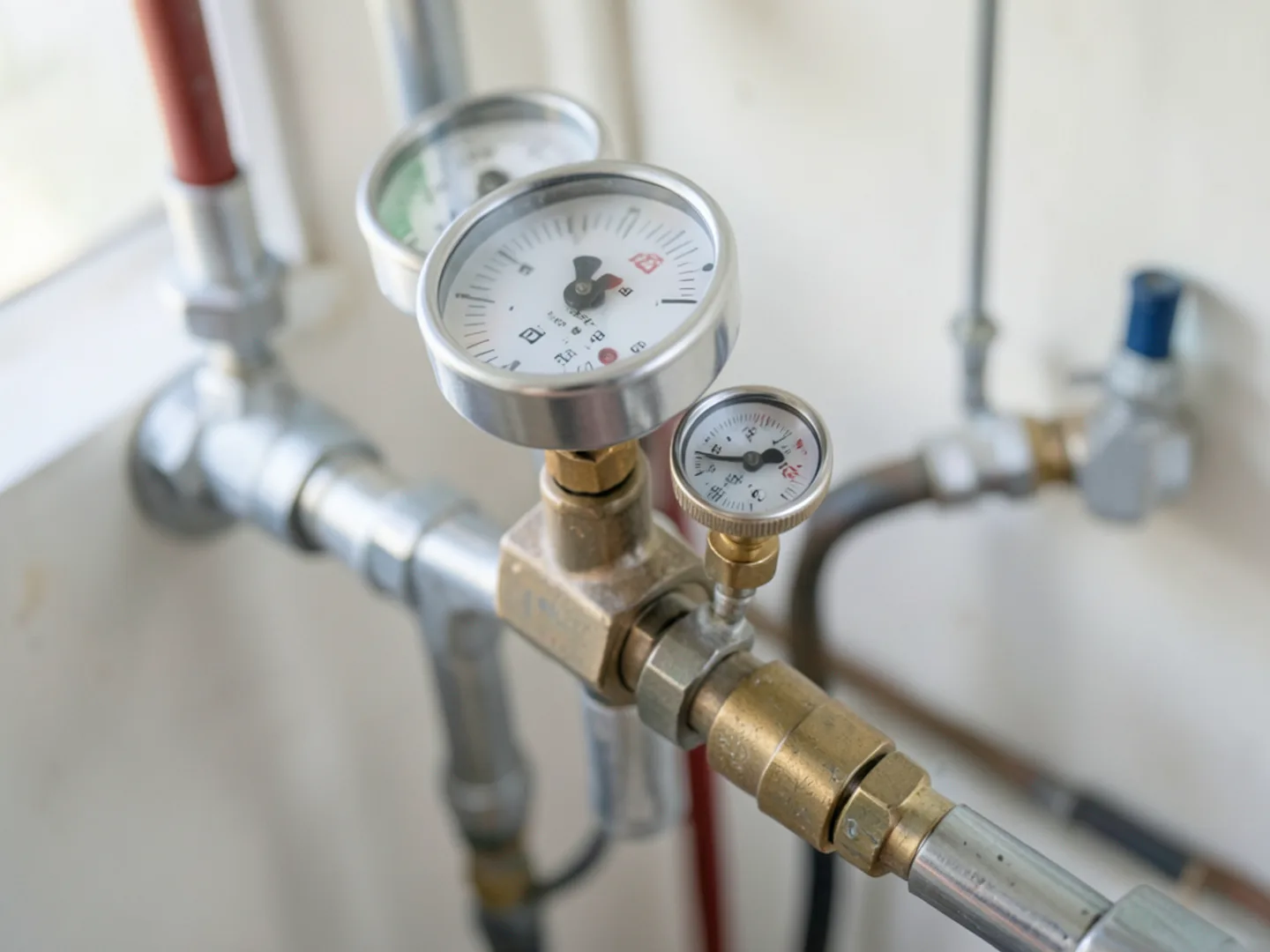
Technical plumbing diagram and explanation for Basement Flooding Near Des Plaines River: Flood Protection.
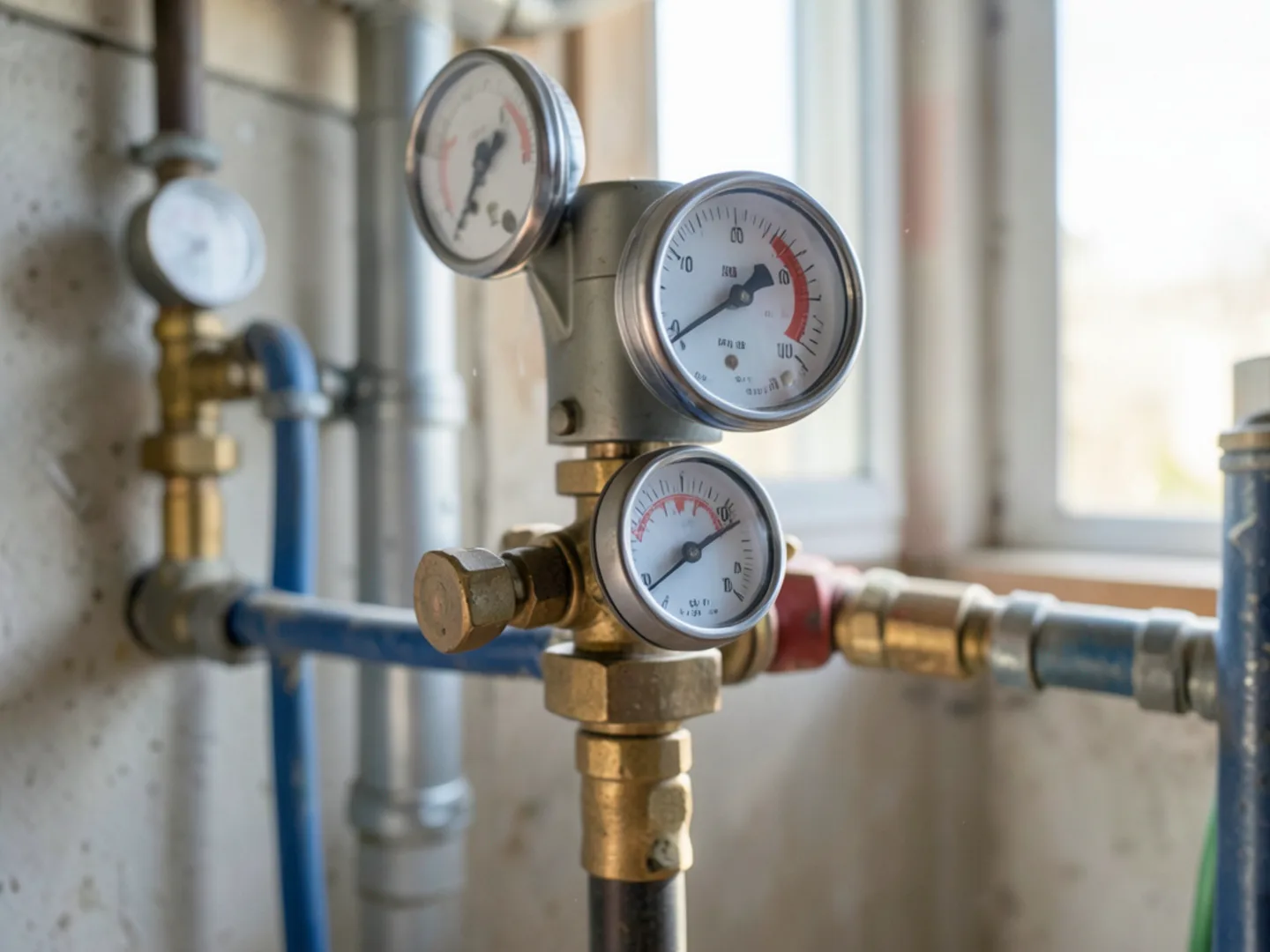
Technical plumbing diagram and explanation for Basement Flooding Near Des Plaines River: Flood Protection.
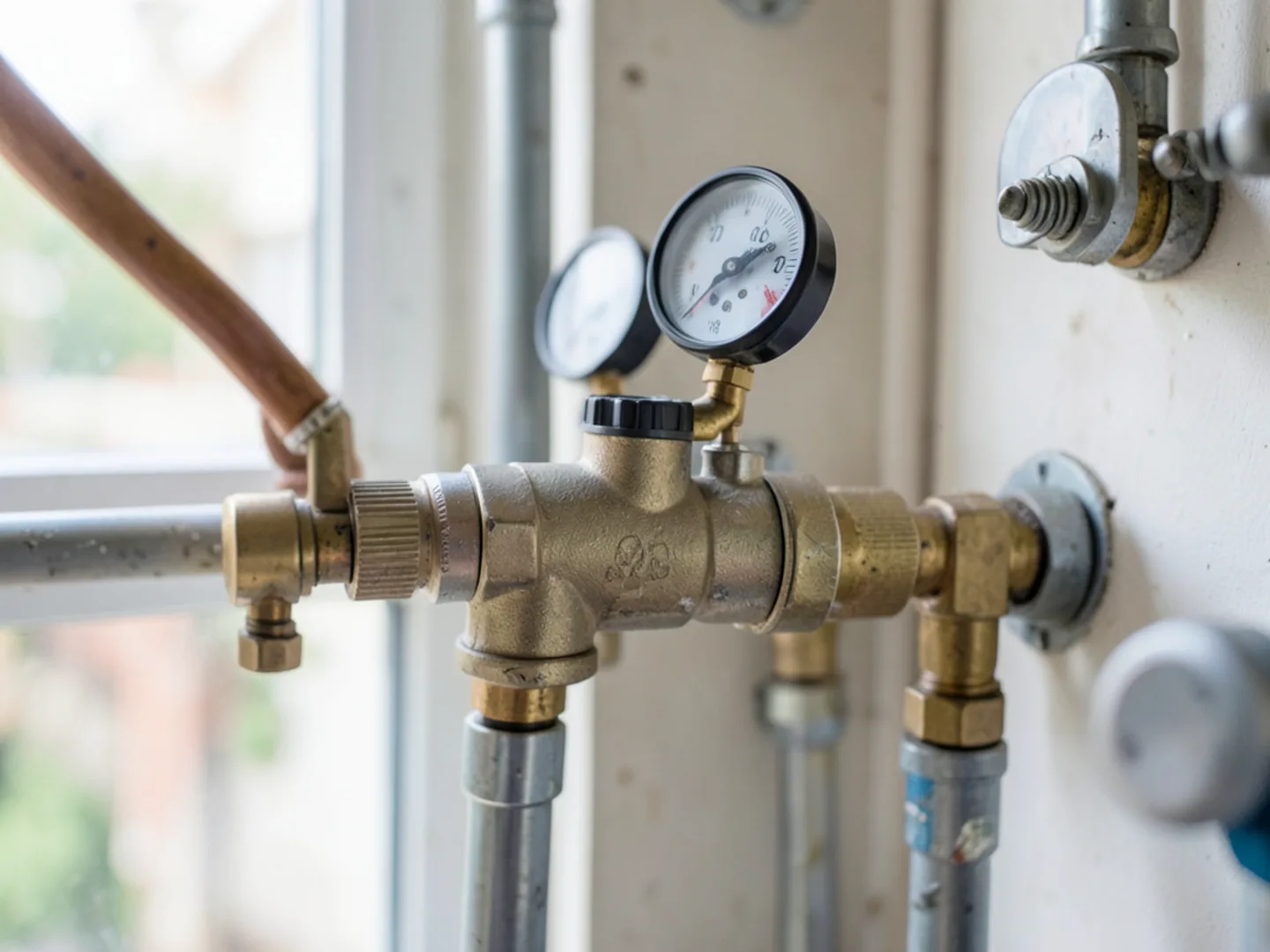
Technical plumbing diagram and explanation for Basement Flooding Near Des Plaines River: Flood Protection.
Basement Flood Protection Strategies Comparison
| Protection Strategy | Primary Threat Addressed | Power Requirement | Protection Reliability Level | Typical Investment |
|---|---|---|---|---|
| Standard Sump Pump | Perimeter groundwater seepage | 120V Grid Power Only | Moderate (Fails during blackouts) | $600 - $1,200 |
| Battery Backup Sump System | Power outages during severe storms | 12V DC Deep-Cycle Battery | Very High (24-72 hours runtime) | $1,500 - $3,200 |
| Gravity Backwater Flap Valve | Municipal sanitary sewer surcharge | Passive (No power required) | Moderate (Debris can jam flap open) | $1,800 - $3,500 |
| Overhead Sewer Conversion | Catastrophic municipal sewer surcharge | 120V for sewage ejector pump | Absolute (Eliminates gravity breach) | $8,500 - $16,000 |
Expert Questions & Practical Answers
Direct guidance addressing common homeowner questions regarding basement flooding near des plaines river: flood protection.
Lockport sits in the lower Des Plaines River and I&M Canal valley. When regional precipitation causes the river to crest, the surrounding water table rises dramatically, forcing groundwater under high hydrostatic pressure through foundation joints and basement floor cracks.
Verified Illinois & Regulatory Sources Cited
- •Illinois Department of Public Health (IDPH) Plumbing Code Manual (77 Ill. Adm. Code 890)
- •Federal Emergency Management Agency (FEMA) Technical Bulletin: Protecting Building Utilities from Flood Damage
- •Metropolitan Water Reclamation District of Greater Chicago (MWRD) Inundation & Surcharge Guidelines
- •United States Geological Survey (USGS) Des Plaines River Hydrologic Gauging Station 05537500